
Wondering what summer tires are and how they can enhance your driving experience during the warmer months? Look no further! In this comprehensive guide, we will delve deep into the world of summer tires and explore their unique features and benefits. So, before you hit the road for those sun-soaked adventures, let’s answer the question on every driver’s mind: What Are Summer Tires?
In this comprehensive guide, we will explore what summer tires are, how they differ from other tire types, their benefits, and why they play a crucial role in ensuring a comfortable and secure driving experience during the summer months.
What Are Summer Tires?
Summer tires, also known as performance tires or high-performance tires, are specifically engineered to provide exceptional traction and handling in warm weather conditions. Unlike all-season or winter tires, which are designed for versatile performance across different temperatures and road conditions, summer tires excel when temperatures rise above 7°C (45°F) and road surfaces are dry or damp.
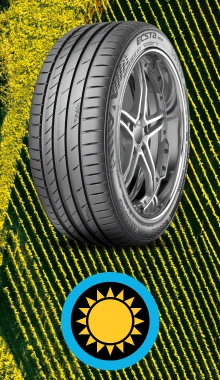
Construction and Features
The key to the superior performance of summer tires lies in their construction and unique features. Here are some distinguishing characteristics of summer tires:
- Tread Pattern: Summer tires feature a tread pattern with shallower and fewer grooves compared to all-season or winter tires. This design allows for more rubber to make contact with the road, enhancing grip and responsiveness.
- Rubber Compound: The rubber compound used in summer tires is optimized for warm temperatures. It remains flexible even in hot weather, enabling the tire to conform to the road surface and maintain excellent traction.
- Handling and Precision: Summer tires are engineered for agility and precise handling. They provide better responsiveness to steering inputs, allowing drivers to feel more connected to the road.
- Braking Performance: These tires boast shorter braking distances on dry and wet surfaces due to their superior grip and optimized tread patterns.
- Heat Dissipation: Summer tires are designed to disperse heat efficiently, reducing the risk of overheating during prolonged high-speed driving.
The Difference Between Summer Tires and All-Season Tires
While summer tires excel in warm conditions, all-season tires are designed to deliver satisfactory performance throughout the year. The main differences between the two tire types are:
- Temperature Range: Summer tires are optimized for temperatures above 7°C (45°F) and lose effectiveness in colder weather. Conversely, all-season tires perform better across a more comprehensive temperature range, including mild winter conditions.
- Tread Compound: All-season tires use a rubber compound designed to provide acceptable performance in various conditions, making them more versatile but compromising some high-performance capabilities in summer tires.
- Tread Pattern: All-season tires feature deeper grooves and a more aggressive tread pattern to handle light snow and wet conditions, which can slightly impact handling and responsiveness compared to summer tires.
Benefits of Using Summer Tires
Investing in a set of summer tires offers numerous benefits, including:
- Enhanced Safety: The superior grip and shorter braking distances of summer tires reduce the risk of accidents, providing a safer driving experience.
- Improved Performance: Whether navigating winding roads or cruising on highways, summer tires offer enhanced handling and responsiveness, making your driving experience more enjoyable.
- Fuel Efficiency: The reduced rolling resistance of summer tires can contribute to improved fuel efficiency and, in turn, lower operating costs.
- Extended Lifespan: By using summer tires during the appropriate season and switching to other tires for winter, you avoid unnecessary wear, extending the lifespan of all your tires.
Conclusion
Summer tires are the ideal companions for warm-weather driving, offering unparalleled performance, safety, and comfort. Designed to maximize grip and responsiveness on dry and damp roads, these specialized tires elevate your driving experience during the summer months. By understanding the differences between summer tires and other tire types, you can make an informed decision and equip your vehicle with the best tires for the season. Remember, choosing the right tires is not just about driving pleasure; it’s about ensuring your safety and that of your passengers as well. So, before embarking on your summer adventures, make a wise choice and equip your vehicle with summer tires for a smooth and secure journey.