

Every driver has experienced that sinking feeling of discovering a flat tire, often at the most inconvenient moments. In these situations, tire plugs have become a popular solution to get back on the road swiftly. However, the question that lingers is just how safe it is to drive on a plugged tire and for how long. This article delves into the realm of plugged tires, shedding light on the temporary fix they provide and the potential risks they entail.
Tire plugs have gained popularity as a quick and accessible method to repair punctures and extend the life of a tire. Understanding their purpose and limitations is crucial for making informed decisions about driving on a plugged tire. While tire plugs can offer a temporary fix, it’s essential to recognize the safety implications, especially for extended periods or under certain conditions.
In the following chapters, we will delve into the intricacies of driving on a plugged tire. We will explore the factors that influence the safety of such a choice, the risks associated with it, and the industry guidelines that provide insights into its viability. Through real-world examples and case studies, we aim to provide you with a comprehensive understanding of how long you can drive on a plugged tire while maintaining a focus on your safety and the well-being of your vehicle.
Understanding Tire Plugs and Their Purpose
Tire plugs are a standard solution for repairing punctures and getting back on the road quickly. These small, rubberized plugs are designed to seal small holes in the tire tread caused by nails, screws, or other sharp objects. Understanding how tire plugs work and their intended purpose is crucial for making informed decisions about driving on a plugged tire.
1. What is a Tire Plug and How Does it Work?
A tire plug consists of a cylindrical piece of rubber, often with a metal shaft, that is inserted directly into the punctured area of the tire. The plug’s material is designed to be flexible and durable, allowing it to conform to the shape of the hole and create a tight seal. When properly inserted, the plug prevents air from escaping the tire, enabling you to reinflate and use the tire again.
2. Temporary Fix:
It’s important to note that while tire plugs are a convenient and temporary fix, they are not a permanent solution. Plugs are meant to provide a temporary seal to get you to a tire repair shop or a safer location where a more thorough repair or replacement can be performed.
3. Purpose of Tire Plugs:
The primary purpose of a tire plug is to provide a quick and efficient way to seal small punctures and prevent immediate air loss. They are particularly useful in situations where a flat tire occurs unexpectedly, such as during a road trip or while commuting. Tire plugs offer a convenient “get you home” solution, allowing you to continue driving for a short distance at reduced speeds to reach a repair facility.
4. Limitations of Tire Plugs:
While tire plugs can be a lifesaver in certain situations, they come with limitations. Plugs are most effective for small punctures, typically up to a quarter-inch in diameter, and located in the tread area of the tire. Punctures near the sidewall or larger holes may not be effectively sealed by a plug, and attempting to do so could lead to further damage or unsafe driving conditions.
5. When to Use a Tire Plug:
Tire plugs are best used in emergencies where immediate repair or replacement is not possible. They are a short-term solution that allows you to drive to a repair shop without further damaging the tire. It’s important to remember that driving on a plugged tire should be a temporary measure and not a long-term solution.
In the next chapter, we’ll explore the various factors that can impact the safety of driving on a plugged tire, helping you make an informed decision about how long it’s safe to drive with a plugged tire before seeking a more permanent solution.
Factors Affecting Plugged Tire Safety
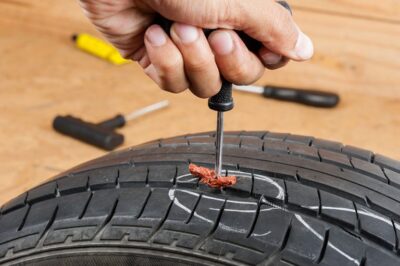
Driving on a plugged tire involves a variety of factors that can impact its safety and longevity. Understanding these factors can help you make an informed decision about how long you can safely drive on a plugged tire. Here are some key considerations:
Temperature and Weather Conditions:
- Extreme temperatures, whether hot or cold, can affect the integrity of a plugged tire.
- High temperatures can increase tire pressure, potentially stressing the plug and the tire structure.
- Cold temperatures can cause the rubber to contract, affecting the plug’s seal and tire performance.
Type of Tire and Its Condition:
- The type of tire (e.g., passenger, SUV, performance) can influence how it handles a plug.
- The overall condition of the tire before it was plugged is crucial; a tire with significant wear may be less reliable even with a plug.
Size and Location of the Puncture:
- The size of the puncture hole can impact the effectiveness of the plug.
- Smaller punctures, especially those located in the central tread area, are generally more conducive to successful plugging.
- Larger punctures or those near the sidewall may pose a greater risk, as they can weaken the tire’s structural integrity.
Driving Speed and Distance:
- Driving at high speeds can generate more heat and stress on the plugged area.
- Long distances may expose the plugged tire to prolonged strain, potentially increasing the risk of failure.
- Slower speeds and shorter distances may reduce the strain on the plugged area and extend the tire’s safe usability.
It’s important to note that these factors are interconnected, and their combined effect can influence how long you can safely drive on a plugged tire. Monitoring your tire’s condition and being attentive to these factors can help you make a well-informed decision about whether to continue driving on a plugged tire or seek an alternative solution. Remember that prioritizing safety is paramount, and consulting a tire professional for guidance is always advisable.
Safety Concerns and Risks of Driving on a Plugged Tire
Driving on a plugged tire may seem like a convenient solution, but it comes with its fair share of safety concerns and potential risks that should not be underestimated. While tire plugs are designed to provide a temporary fix for punctures, there are several reasons why relying on them for extended periods or under certain conditions might not be the best idea.
Potential Dangers:
- Blowouts: Plugged tires are more susceptible to blowouts, especially at higher speeds or on rough road surfaces. The plug might not provide the same level of stability and integrity as an intact tire, increasing the risk of a sudden blowout, which can be extremely dangerous.
- Further Damage: Driving on a plugged tire can exacerbate the existing damage. Vibrations, impacts, and variations in pressure can cause the plug to shift or come loose, leading to air leakage and further punctures. This not only compromises the tire’s performance but can also necessitate more extensive and costly repairs.
- Handling and Performance: A plugged tire may impact your vehicle’s handling and overall performance. Reduced traction, stability, and braking capabilities can compromise your ability to control the car, especially in emergencies.
- Uneven Wear: Plugged tires might wear unevenly compared to properly inflated and undamaged tires. This can result in an imbalanced ride and potentially affect the alignment of your vehicle, leading to additional maintenance needs.
Effects on Vehicle Safety:
- Tire Failure: A plugged tire is inherently weaker than an original, undamaged tire. This weakness can increase the likelihood of tire failure, potentially leading to accidents, especially during sudden maneuvers or adverse driving conditions.
- Loss of Control: The compromised handling and performance of a plugged tire can reduce your ability to maintain control of the vehicle. This is particularly risky in situations where quick responses are necessary to avoid collisions or obstacles.
- Reduced Stopping Distance: Plugged tires may have a longer stopping distance compared to fully functional tires, particularly on wet or slippery surfaces. This could result in an increased risk of rear-end collisions or difficulty stopping in time to avoid hazards.
Conclusion:
While driving on a plugged tire might be a short-term solution, it’s important to recognize the safety concerns and risks associated with this practice. Plugged tires are not meant to be a permanent fix, and misusing them can compromise your safety and the safety of others on the road. It’s recommended to treat a plugged tire as a temporary measure and seek proper repairs or replacements as soon as possible to ensure the continued safe operation of your vehicle.
Manufacturer and Industry Guidelines
Tire manufacturers and the automotive industry have established guidelines and recommendations when it comes to driving on a plugged tire. While these guidelines may vary slightly between manufacturers, they generally provide valuable insights into the safety considerations of driving on a plugged tire.
1. Temporary Solution: Most tire manufacturers consider tire plugs to be temporary solutions intended to get you to a repair facility. They often advise against driving on a plugged tire for an extended period or at high speeds.
2. Speed Limitations: Many manufacturers suggest limiting your speed when driving on a plugged tire. Speed limitations are typically set lower than normal driving speeds to reduce the risk of heat buildup and excessive stress on the tire.
3. Distance Limitations: Manufacturers often recommend driving on a plugged tire for a limited distance. This distance is usually determined based on the assumption that you’ll reach a repair facility within that range.
4. Inspection: It’s crucial to inspect the plugged tire regularly for signs of damage, pressure loss, or other issues. If you notice any abnormalities, having the tire professionally inspected and repaired or replaced is recommended.
5. Not Suitable for All Punctures: Manufacturers may specify that tire plugs are suitable for certain types and sizes of punctures. Larger or more complex punctures may require different repair methods or tire replacements.
6. Professional Assessment: If you have a plugged tire, it’s advisable to consult a tire professional as soon as possible. They can assess the tire’s condition, and the quality of the plug, and provide expert advice on whether the tire should be repaired, or replaced, or if an alternative solution is more appropriate.
7. Follow Manufacturer Guidelines: It’s essential to follow the specific guidelines provided by your tire manufacturer. These guidelines are designed to prioritize your safety and the longevity of your tires.
8. Insurance and Warranty Considerations: Some tire warranties or insurance policies may have clauses related to driving on plugged tires. It’s recommended to review your policy or warranty details before making any decisions.
While these manufacturer and industry guidelines offer valuable insights, it’s important to remember that each driving situation is unique. Your best course of action is to exercise caution, prioritize safety, and seek professional advice if you’re unsure about the condition of your plugged tire.
How Long Can You Drive on a Plugged Tire? Case Studies and Examples
When faced with a punctured tire repaired by a plug, one common question arises: How long is it safe to drive on such a tire? While the duration can vary depending on several factors, real-world case studies and examples provide insight into the potential outcomes of driving on a plugged tire.
Case Study 1: Short-Distance Commute
In a scenario where the punctured tire is subjected to light driving over short distances, such as a daily commute within the city, it’s possible to drive on a plugged tire for an extended period. Many drivers have reported successfully driving on plugged tires for several weeks to a few months without experiencing significant issues. However, it’s crucial to monitor the tire’s pressure regularly and check for any signs of leakage.
Case Study 2: Highway Travel
Long highway drives at higher speeds can put additional stress on a plugged tire. Some drivers have managed to travel long distances on plugged tires without incident, but this approach is riskier. High speeds generate heat, potentially affecting the tire’s structural integrity and the plug’s ability to maintain a proper seal. If you find yourself in a situation where you must drive on a plugged tire for a highway journey, consider keeping your speed moderate and stopping periodically to inspect the tire’s condition.
Case Study 3: Off-Road or Harsh Conditions
Driving on off-road terrain, rough roads, or harsh weather conditions can accelerate the wear and tear on a plugged tire. The repeated stress and impact from uneven surfaces may increase the likelihood of the plug failing or the tire developing further damage. If you’re driving in such conditions, it’s advisable to prioritize safety and avoid relying on a plugged tire for an extended period.
Case Study 4: Professional Tire Assessment
In several instances, drivers have sought the opinion of professional mechanics or tire experts before deciding how long to drive on a plugged tire. These experts often consider factors like the size of the puncture, the tire’s age and condition, and the type of vehicle. They provide a more informed recommendation on whether the tire is suitable for continued use or if a more permanent solution is necessary.
Conclusion
While the duration for which you can drive on a plugged tire varies based on circumstances, it’s important to exercise caution and prioritize safety. Regular inspections, monitoring tire pressure, and seeking professional advice can help you make an informed decision about how long to drive on a plugged tire. Remember that a plugged tire is a temporary solution, and seeking a more permanent fix, such as a patch or replacement, is recommended for the long-term reliability of your vehicle and your safety on the road.
FAQ / Common Questions About Driving on a Plugged Tire
Driving on a plugged tire can raise numerous questions and concerns. In this chapter, we’ll address some of the most frequently asked questions to provide you with a clearer understanding of the safety and practicality of this practice.
1. Can you drive long distances on a plugged tire? Driving long distances on a plugged tire is generally not recommended. While a properly plugged tire may hold up for short distances, extended driving can increase the risk of tire failure, especially at high speeds or under adverse weather conditions.
2. Is it safe to drive at high speeds on a plugged tire? Driving at high speeds on a plugged tire can be risky. Plugged tires may not provide the same level of stability and performance as an undamaged tire, increasing the chances of blowouts or loss of control, particularly during sudden maneuvers. Read more: Is Plugging A Tire Safe? Tire Plug vs. Patch: Which is the Better Option?
3. Can a plugged tire be repaired again? In most cases, a tire that has already been plugged should not be plugged again. The initial plug may compromise the tire’s structural integrity, and adding additional plugs can further weaken it. If a tire sustains another puncture, it’s generally advisable to seek more permanent solutions like a patch or replacement.
4. How long can I drive on a plugged tire? The duration you can drive on a plugged tire depends on various factors, including the tire’s condition, the size and location of the puncture, and the driving conditions. While some drivers have safely used plugged tires for a short period, it’s crucial to prioritize safety and have the tire professionally inspected as soon as possible.
5. Should I check the tire pressure more frequently with a plugged tire? Yes, monitoring tire pressure becomes even more important with a plugged tire. Punctures can lead to slow leaks, causing the tire to lose pressure over time. Regularly check the tire pressure to ensure it’s within the recommended range, as low pressure can impact vehicle handling and increase the risk of further damage.
6. What signs indicate a problem with a plugged tire? Keep an eye out for signs such as loss of tire pressure, unusual vibrations, or changes in vehicle handling. If you notice any of these signs, it’s advisable to stop and have the tire inspected by a professional to determine if the plug is holding up or if further action is needed.
7. Can I drive on a plugged tire if I don’t have a spare? While driving on a plugged tire might be a temporary solution if you don’t have a spare tire, it’s important to proceed with caution. Limit your driving distance and speed, and prioritize getting the tire inspected, repaired, or replaced as soon as possible.
Remember, your safety and the safety of others on the road should always be the top priority. Whenever in doubt, consult a tire professional or mechanic for expert advice on whether it’s safe to drive on a plugged tire and what actions you should take.
Alternatives and Long-Term Solutions
Driving on a plugged tire, even for a limited time, may not always be the best option. As a temporary measure, tire plugs can get you back on the road quickly, but it’s important to consider alternatives and long-term solutions for your safety and the well-being of your vehicle.
1. Tire Patches: Tire patches provide a more robust and lasting solution compared to plugs. Unlike plugs, patches are applied to both the inner and outer layers of the tire, creating a more secure and permanent seal. Patches are commonly used for larger punctures or when the damage is not suitable for a plug.
2. Tire Replacement: In cases where the puncture is substantial, the tire’s structural integrity is compromised, or the tire has already been repaired with a plug or patch, it’s advisable to consider tire replacement. New tires ensure optimal performance, handling, and safety. Consult a tire professional to determine if replacement is necessary.
3. Spare Tire Use: If your vehicle is equipped with a spare tire, it’s a safer alternative to driving on a plugged tire. Spare tires are designed to be temporary replacements and can offer better performance and safety than a plugged tire. However, keep in mind that spare tires often have limitations on speed and distance.
4. Roadside Assistance and Professional Help: When faced with a punctured tire, contacting roadside assistance or a professional tire repair service is a prudent option. Trained technicians can assess the damage, recommend the most suitable solution, and perform repairs or replacements as needed. This ensures that your vehicle’s safety is not compromised.
5. Preventive Measures: To minimize the likelihood of encountering a punctured tire, practicing proper tire maintenance is essential. Regularly inspect your tires for signs of wear, maintain proper tire pressure, and avoid driving over sharp objects whenever possible. Well-maintained tires are less likely to develop punctures.
In conclusion, while a tire plug can provide a temporary fix, it’s crucial to explore alternatives and long-term solutions to ensure your safety and the longevity of your vehicle. Tire patches, replacements, spare tire use, professional assistance, and preventive measures are all viable options to consider when faced with a punctured tire. Prioritizing safety and consulting experts will help you make the best decision for your specific situation.
Tips for Safe Driving with a Plugged Tire
Driving on a plugged tire requires caution and attention to ensure your safety on the road. While it’s always recommended to get a proper tire repair or replacement as soon as possible, here are some tips to help you drive safely with a plugged tire:
- Monitor Tire Pressure: Regularly check the tire pressure of the plugged tire. A plugged tire can gradually lose air over time, affecting its stability and performance. Use a tire pressure gauge to ensure it remains within the recommended range.
- Reduce Speed: Drive at moderate speeds to minimize stress on the plugged tire. Avoid sudden accelerations, sharp turns, and heavy braking, which could exacerbate the strain on the tire.
- Avoid Overloading: Do not overload your vehicle when driving on a plugged tire. Excess weight can put additional pressure on the tire and increase the risk of failure.
- Maintain Smooth Driving: Drive smoothly and avoid aggressive maneuvers. Gentle acceleration and braking can help reduce the strain on the plugged tire and improve overall vehicle stability.
- Limit Distances: If possible, limit your driving distance on a plugged tire. Short trips within city limits are generally safer than long highway journeys. If you must drive long distances, consider an alternative solution, such as a tire patch or replacement.
- Stay Informed: Be aware of any changes in vehicle handling, vibrations, or unusual noises. If you notice any of these signs, it’s best to stop and inspect the tire to ensure it remains safe for driving.
- Keep a Spare Tire: Always have a spare tire, jack, and tire-changing tools in your vehicle. In the event of a sudden tire failure, you can replace the plugged tire promptly, minimizing risks.
- Avoid Extreme Conditions: If possible, avoid driving on a plugged tire in extreme weather conditions such as heavy rain, snow, or ice. These conditions can further compromise the tire’s grip and stability.
- Plan Ahead: Plan your route and destination carefully. Choose roads with smoother surfaces and minimal potholes to reduce the impact on the plugged tire.
- Consult a Professional: If you have any doubts about the safety of driving on a plugged tire, consult a tire professional. They can assess the condition of the tire and guide whether it’s safe for continued use.
Remember that driving on a plugged tire is a temporary solution and should only be done under limited circumstances. Your safety and the safety of others on the road should always be your top priority. As soon as it’s feasible, arrange for a proper tire repair or replacement to ensure optimal vehicle performance and safety.
Seeking Professional Advice and Making Informed Decisions
When faced with a plugged tire, it’s crucial to make well-informed decisions to ensure your safety and vehicle longevity. Here’s what you should consider:
- Consult a Professional: If you’re uncertain about the safety of driving on a plugged tire or if you have any doubts, it’s always best to consult a qualified tire professional. They can assess the condition of the tire, and the quality of the plug, and provide expert advice tailored to your specific situation.
- Regular Inspections: Regularly inspect your plugged tire for any signs of damage, loss of pressure, or unusual wear. Addressing any issues promptly can help prevent potential hazards and extend the life of the tire.
- Follow Manufacturer Recommendations: Always adhere to the guidelines and recommendations provided by your tire manufacturer. They know their products best and can offer insights into the limitations of driving on a plugged tire.
- Know Your Driving Conditions: Consider the type of driving you’ll be doing and the conditions you’ll encounter. Short, low-speed trips on familiar roads might be less risky than high-speed highway driving.
- Maintain Proper Tire Pressure: Ensuring your tire is inflated correctly can minimize the stress on the plug and reduce the risk of further damage.
- Be Prepared: Carry an emergency kit with items like a tire pressure gauge, a portable air compressor, and a spare tire. This can help you manage unexpected situations and mitigate risks while driving on a plugged tire.
Remember, while driving on a plugged tire may be a temporary solution, your safety should always be the top priority. When in doubt, seek professional advice and consider alternative options for a more permanent tire repair or replacement. Making informed decisions will help you navigate the situation with confidence and peace of mind.
Conclusion
Driving on a plugged tire might seem like a tempting solution in the quest for convenience and cost-effectiveness. However, the safety of both you and your passengers should always remain paramount. The temporary nature of tire plugs and the potential risks associated with prolonged use should not be underestimated.
While it’s possible to drive on a plugged tire for a limited distance and under specific conditions, it’s crucial to understand that this is not a long-term solution. The factors influencing the safety of a plugged tire, such as temperature, puncture size, and driving speed, are complex and interconnected. Manufacturers and industry experts uniformly advise caution and recommend prioritizing a more permanent solution, such as a tire patch or replacement, at the earliest opportunity.
In situations where driving on a plugged tire becomes necessary, exercise vigilance and adhere to safe driving practices. Regularly monitor your tire’s pressure and condition, avoid high speeds, and reduce your overall driving distance as much as possible. Remember that your vehicle’s handling and stability can be compromised by a plugged tire, potentially leading to accidents or blowouts.
Ultimately, your safety is non-negotiable. When faced with a plugged tire, consider it a temporary fix and make arrangements to address the issue properly. Whether it’s seeking professional advice or exploring more reliable alternatives, your responsible actions will ensure a smoother and safer journey ahead. Your well-being and that of others on the road should always take precedence over momentary convenience.