
Tire maintenance is a crucial aspect of vehicle ownership, ensuring not only smooth rides but also safety on the road. One common issue that every driver encounters at some point is a tire puncture. Whether it’s a nail, screw, or a shard of glass, these pesky intrusions can deflate our plans as quickly as they deflate our tires. The big question that arises when faced with a punctured tire is: Is plugging a tire safe? And further, should one opt for tire plugging or tire patching? In this comprehensive guide, we will delve into the world of tire repair, exploring the safety and effectiveness of plugging versus patching. By the end of this article, you’ll be equipped with the knowledge to make an informed decision when the dreaded puncture strikes. Let’s embark on this journey to unravel the intricacies of tire repair and uncover the best practices for ensuring your wheels stay rolling and your rides stay smooth.
Tire Punctures: Causes and Impact
Tire punctures are a common occurrence that can result from various causes. Understanding these causes and their potential impact is crucial for making informed decisions about tire repair. In this chapter, we will delve into the reasons behind tire punctures and the potential consequences they can have on your vehicle’s safety and performance.
1. Common Causes of Tire Punctures
Tire punctures can happen unexpectedly and are often caused by:
- Nails, screws, and sharp objects on the road.
- Glass shards and debris from accidents or construction zones.
- Potholes or uneven road surfaces.
- Wear and tear on the tire tread.
2. Impact of Tire Punctures
Ignoring or neglecting a punctured tire can lead to a range of issues:
- Loss of Air Pressure: Punctures often result in slow air leaks, leading to gradual loss of tire pressure. This can affect your vehicle’s fuel efficiency, handling, and overall performance.
- Reduced Handling and Traction: A punctured tire may compromise your ability to steer, brake, and corner safely, especially during adverse weather conditions.
- Uneven Tire Wear: Driving on a punctured tire can cause uneven wear patterns, which can lead to premature tire replacement and increased expenses.
- Risk of Blowouts: In some cases, a puncture can weaken the tire’s structure, increasing the risk of a sudden blowout while driving at high speeds.
3. Importance of Prompt Action
Addressing a tire puncture promptly is crucial for maintaining your safety and prolonging the life of your tires. Even small punctures can have significant consequences if left unattended. Regularly inspecting your tires for signs of punctures and addressing them promptly can help you avoid potential hazards on the road.
4. Choosing the Right Repair Method
The cause and size of the puncture often determine whether tire plugging or patching is the appropriate repair method. In the following chapters, we will explore these methods in detail and help you make an informed decision based on the nature of the puncture and the condition of your tire.
By understanding the common causes of tire punctures and the potential impact they can have, you’ll be better equipped to make informed decisions when faced with a punctured tire. The next chapters will delve deeper into the tire repair methods available, shedding light on the safety, effectiveness, and considerations associated with plugging and patching.
Understanding Tire Plugging
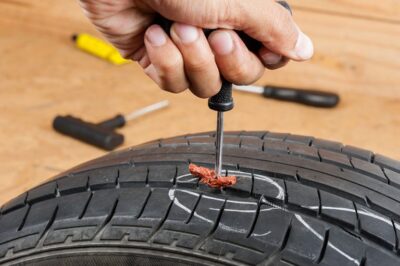
Tire plugging is a commonly used method for repairing minor punctures in tires. It involves inserting a rubber plug into the puncture hole to create an airtight seal, effectively preventing air leakage and maintaining tire pressure. This section will delve deeper into the tire plugging process, the materials and tools required, and the circumstances under which tire plugging is a suitable repair option.
Tire Plugging Process:
- Preparation: Begin by locating the puncture on the tire. This is often done by visually inspecting the tire or using water and soap solution to identify air bubbles escaping from the puncture site.
- Removal of Debris: Before plugging the tire, remove any foreign objects that may be lodged in the puncture. This ensures a clean surface for the plug to adhere to.
- Insertion of Plug: Insert the tire plug into the puncture hole using a plug insertion tool. The plug is typically made of a flexible rubber material that can conform to the shape of the hole.
- Sealing the Puncture: As the plug is inserted, it expands to fill the puncture hole, creating an airtight seal. Trim any excess plug material protruding from the tire’s surface.
- Testing: To ensure the effectiveness of the repair, it’s recommended to reinflate the tire and check for any signs of air leakage.
Materials and Tools Required:
- Tire Plug: These are usually made of high-quality rubber and come in various sizes to accommodate different puncture sizes.
- Plug Insertion Tool: This tool is designed to facilitate the insertion of the tire plug into the puncture hole. It often includes a handle for grip and a pointed or slotted end for precise placement.
- Reamer: A reaming tool is used to clean and widen the puncture hole slightly, allowing the plug to fit more securely.
- Rubber Cement: Applying rubber cement to the plug before insertion can enhance the seal and improve the plug’s adhesion.
- Tire Pressure Gauge and Inflator: These tools are used to test the repaired tire’s pressure after the plugging process.
Suitability of Tire Plugging:
Tire plugging is most effective for small punctures caused by nails, screws, or other sharp objects. It is generally not recommended for punctures in the tire sidewall or shoulder, as these areas experience greater stress and may not hold a plug securely over the long term. Plugging is a temporary solution and should be considered as a means to get the vehicle to a repair facility for a more permanent fix.
In cases where the puncture is near the tire’s edge or sidewall, or if the tire has been driven on while significantly underinflated, it’s advisable to consult a professional tire technician. They can assess the extent of the damage and determine if a more comprehensive repair or tire replacement is necessary to ensure safe and reliable driving.
By understanding the tire plugging process, the necessary tools, and the types of punctures it can effectively address, you can make an informed decision on whether plugging is a suitable solution for your punctured tire. However, it’s important to remember that while tire plugging can be a convenient and temporary fix, it’s not a substitute for proper tire maintenance and professional repair when needed.
Understanding Tire Patching
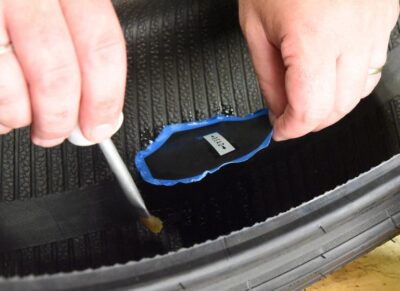
Tire patching is a widely recognized method of repairing punctured tires. This technique involves applying a patch to the inner liner of the tire, effectively sealing the puncture from the inside. Patching is often considered a more comprehensive and permanent solution compared to tire plugging. Let’s delve deeper into the process of tire patching, its materials, and its suitability for various puncture types.
The Patching Process:
Tire patching typically follows these steps:
- Locating the Puncture: Just like with tire plugging, the first step in patching is locating the puncture. This can be done by inspecting the tire visually or by immersing it in water and watching for air bubbles.
- Preparation: After locating the puncture, the tire must be properly prepared for patching. This involves cleaning the inner liner around the puncture site to ensure a strong bond between the patch and the tire.
- Applying the Patch: A tire patch is a specialized piece of rubber that is coated with adhesive on one side. The adhesive side of the patch is carefully applied to the cleaned inner liner over the puncture site. Pressure is applied to ensure proper bonding.
- Curing: Some patches require a curing process, during which the adhesive sets and creates a secure seal. Curing times may vary based on the type of patch used and the manufacturer’s instructions.
Materials and Tools:
Tire patching requires specific materials and tools, including:
- Tire Patch: Available in various sizes and types, including radial patches, bias patches, and plug-patch combinations. The type of patch chosen depends on the size and location of the puncture.
- Adhesive: The adhesive used on the patch is designed to create a strong bond between the patch and the tire’s inner liner.
- Buffing Tool: A tool is used to roughen the inner liner around the puncture site, promoting better adhesion of the patch.
- Cement: Some patches require the application of a cement or vulcanizing compound to enhance the adhesive bond.
- Scraper or Brush: Used for cleaning the inner liner before applying the patch.
Suitability for Different Puncture Types:
Tire patching is generally suitable for a wide range of puncture types, including small nails, screws, and other sharp objects that have caused straightforward punctures. It is particularly effective for punctures located in the tread area of the tire. However, patching might not be the ideal solution for larger punctures or those located near the sidewall, as these areas experience greater flexing and stress during driving, which can compromise the integrity of the patch.
Advantages of Tire Patching:
- Durability: Properly patched tires can provide a durable and reliable repair that lasts for the remaining life of the tire.
- Full Seal: Since the patch is applied from the inside, it creates a complete and airtight seal, preventing any further air loss or moisture infiltration.
- Longevity: Patched tires retain their original handling and performance characteristics, making them a preferable choice for maintaining the tire’s overall quality.
In the next chapter, we will compare the safety implications of tire plugging and patching to help you make an informed decision when faced with a punctured tire.
Safety Considerations
When faced with a punctured tire, safety should always be a top priority. The decision between plugging and patching a tire involves assessing various safety factors to ensure that your vehicle remains reliable and secure on the road. In this chapter, we delve into the safety considerations associated with both tire plugging and patching.
Comparing Safety Implications
- Tire Plugging Safety: Plugging a tire is generally considered safe for small punctures located in the tread area. The plug acts as a temporary seal, preventing air loss and allowing you to continue driving to a safe location. However, it’s important to understand that a plugged tire might not have the same level of structural integrity as an untouched tire. While modern plug materials are designed to withstand the rigors of driving, long-term reliability can vary depending on factors such as the size and location of the puncture.
- Tire Patching Safety: Patching a tire from the inside provides a more comprehensive and permanent solution for repairing a puncture. Since the patch is applied to the inner liner of the tire, it restores the original integrity of the tire’s structure. This method is often considered safer for larger punctures and those closer to the sidewall, where plugging might be less effective or even unsafe.
Scenarios Where Plugging or Patching May Not Be Safe
- Sidewall Damage: Neither plugging nor patching is recommended for punctures near the sidewall. The sidewall is a critical part of the tire’s structure, and attempting to repair it could compromise the tire’s stability and safety.
- Run-Flat Tires: Some modern vehicles are equipped with run-flat tires that allow you to continue driving even after a loss of air pressure. Plugging or patching a run-flat tire might interfere with its ability to function as intended. In such cases, consulting the vehicle’s manufacturer or a professional tire technician is advised.
- High-Speed Driving: Plugged tires may not be suitable for sustained high-speed driving, as the repair could heat up and potentially fail under extreme conditions. If you frequently drive at high speeds, consider patching the tire for enhanced safety.
Seeking Professional Assistance
While DIY tire repair kits for plugging and patching are available, it’s essential to recognize your limitations and know when to seek professional assistance. Professional tire repair shops have the expertise, tools, and experience to assess the severity of the puncture and recommend the most appropriate repair method.
Conclusion
In the balance between plugging and patching a punctured tire, safety is a paramount concern. Both methods have their merits, but the safety implications should guide your decision-making process. When in doubt, consulting a qualified tire technician ensures that your tire is repaired correctly, reducing the risk of potential safety hazards down the road. Remember, prioritizing safety not only protects you but also contributes to the overall well-being of your vehicle and fellow road users.
Effectiveness and Longevity
Tire punctures can be frustrating, but knowing which repair method – plugging or patching – provides the best long-term effectiveness is essential for making an informed decision.
1. Durability of Plugged Tires
Plugging a tire involves inserting a rubber plug into the puncture hole, effectively sealing it from the outside. While tire plugs are a quick and cost-effective solution, their long-term effectiveness can vary. Plugged tires generally work well for small punctures in the tread area that are not too close to the sidewall. However, the durability of a plugged tire depends on factors such as the quality of the plug, the skill of the person performing the repair, and the size of the puncture. Plugged tires may develop leaks over time due to factors like wear and tear, temperature changes, and driving conditions.
2. Longevity of Patched Tires
Tire patching involves applying a patch to the inner liner of the tire, creating a more comprehensive and lasting repair. Patching is often considered a more reliable method for repairing punctures, especially those near the sidewall. The patch forms a barrier between the puncture and the tire’s internal structure, reducing the risk of air leakage and maintaining the tire’s integrity. Patched tires are generally known for their longer-lasting effectiveness compared to plugged tires.
3. Comparing Plugged and Patched Tires
When comparing the effectiveness and longevity of plugged and patched tires, it’s important to consider the following points:
- Puncture Size: Plugging is suitable for smaller punctures, while patching is more effective for larger punctures or those closer to the sidewall.
- Repair Quality: A properly installed patch is generally considered more reliable and long-lasting compared to a plug. Patching addresses the puncture from both the inside and outside of the tire.
- Driving Conditions: Patched tires may offer better performance and longevity, making them a preferable choice for drivers who frequently navigate challenging road conditions or drive long distances.
- Safety Concerns: While both methods can restore tire functionality, patching may provide a higher level of safety assurance, especially for high-speed driving or heavy loads.
- Professional Repair: Regardless of the method chosen, having a tire professionally repaired by an experienced technician can significantly enhance the repair’s effectiveness and longevity.
4. Final Considerations
When deciding between plugging and patching a tire, it’s important to evaluate the nature of the puncture, the location, and your intended driving conditions. While plugging can offer a temporary solution for minor punctures, patching is generally considered a more reliable and durable option for maintaining tire integrity over the long term. When in doubt, consulting with a tire professional can help you make an informed decision based on the specific circumstances of the puncture and your driving habits. Remember that tire safety is paramount, and choosing the right repair method can contribute to the overall safety and performance of your vehicle.
DIY vs. Professional Repair
When faced with a punctured tire, one of the first decisions you’ll need to make is whether to attempt a do-it-yourself (DIY) repair or seek professional assistance. Both options have their merits and considerations, and understanding the differences can help you make an informed choice.
DIY Tire Repair Kits: Plugging vs. Patching
👍 Advantages:
- Cost-Effective: DIY repair kits are often more affordable than professional repair services.
- Convenience: Kits are readily available and can be used at your convenience.
- Quick Fix: Plugging a tire using a DIY kit is relatively fast and can have you back on the road sooner.
👎 Disadvantages:
- Skill and Knowledge: Properly plugging or patching a tire requires a certain level of skill and understanding of the repair process.
- Risk of Improper Repair: Incorrectly done DIY repairs can compromise tire safety and performance, leading to potential hazards.
- Limited Suitability: DIY kits are typically recommended for smaller punctures in the tread area, and not all types of damage can be effectively repaired using these kits.
Professional Repair Services
👍 Advantages:
- Expertise: Professional technicians have the knowledge and experience to assess the extent of the damage and recommend the appropriate repair method.
- Comprehensive Inspection: Professionals can identify hidden damage and assess overall tire condition.
- Reliable Repairs: A properly executed professional repair is more likely to ensure the continued integrity and safety of the tire.
👎 Disadvantages:
- Cost: Professional repair services may come with a higher upfront cost than DIY kits.
- Time: Depending on availability and workload, scheduling an appointment for tire repair might take some time.
- Convenience: You may need to visit a repair shop, which could be inconvenient depending on your location.
Making the Right Choice
Choosing between DIY repair and professional repair depends on several factors, including the extent of the damage, your comfort level with DIY repairs, and your budget. Here are some guidelines to help you decide:
- DIY Repair: Opt for a DIY repair kit if you are confident in your ability to follow instructions and the damage is minor, limited to the tread area, and within the size limits recommended by the kit manufacturer. Be sure to follow the kit’s instructions precisely to ensure a safe and effective repair.
- Professional Repair: Seek professional assistance if the damage is extensive, located on the sidewall, or if you’re unsure about the severity of the puncture. A professional technician can assess the tire’s overall condition, recommend the best repair method, and ensure your safety on the road.
Remember, safety should always be a top priority. If you have any doubts about your ability to repair a tire or if the damage seems significant, it’s advisable to consult a professional. In the end, the goal is to ensure that your tire is repaired correctly and that you can continue driving with peace of mind.
Environmental Impact
Tire repair methods, such as plugging and patching, not only impact your vehicle’s safety and performance but also contribute to the overall environmental footprint. As we delve into the discussion of tire repair, it’s essential to consider the environmental implications of these practices.
Environmental Considerations: Tire manufacturing involves a significant amount of resources, including raw materials and energy. Proper tire maintenance and repair can extend the lifespan of tires, reducing the need for new tire production and the associated environmental costs. Here’s how tire repair methods affect the environment:
- Resource Conservation: Both tire plugging and patching promote resource conservation by preventing premature disposal of tires. Repairing a punctured tire, when feasible, keeps it in service longer, reducing the demand for new tires and conserving valuable resources.
- Waste Reduction: Tires that are discarded prematurely due to minor punctures contribute to waste in landfills. Repairing these tires can help minimize the environmental impact of tire disposal.
- Energy Savings: Manufacturing new tires requires significant energy input. Repairing punctured tires helps conserve energy by extending the useful life of the tire and reducing the need for tire production.
- Raw Material Consumption: Tire production relies on raw materials such as rubber, steel, and other chemicals. Repairing tires reduces the demand for these resources, which helps conserve natural materials and reduces the environmental strain of tire manufacturing.
Disposal Considerations: When considering tire repair methods, it’s important to also think about the eventual disposal of tires. Here are a few points to keep in mind:
- Disposal of Repaired Tires: Tires that have undergone proper repairs, whether plugging or patching, may still need to be disposed of eventually. When disposing of repaired tires, be sure to follow local regulations and consider recycling options if available.
- Recycling Opportunities: Some regions have tire recycling programs that can repurpose old tires into new products like rubberized asphalt or playground surfaces. Research local recycling options to ensure your repaired tires are disposed of in an environmentally responsible manner.
- Environmental Impact of Improper Repairs: It’s important to note that improperly repaired tires, whether plugged or patched, can pose safety risks and environmental challenges. Tires with inadequate repairs may fail prematurely, leading to increased waste and potential hazards on the road.
In conclusion, while tire repair methods like plugging and patching offer benefits in terms of resource conservation and waste reduction, they also come with environmental considerations. Making informed decisions about tire repair based on the severity and location of the puncture, as well as seeking professional advice when needed, can help strike a balance between road safety and environmental responsibility. By choosing appropriate repair methods and disposing of tires responsibly, you can contribute to a more sustainable approach to tire maintenance.
Frequently Asked Questions (FAQ)
Tire punctures and repairs can raise many questions for drivers seeking the best course of action to maintain their vehicle’s safety and performance. In this chapter, we address some of the most frequently asked questions about tire plugging and patching.
Q1: Can I plug or patch any tire punctures?
A1: While minor punctures in the tread area can often be effectively plugged or patched, there are limitations. Punctures near the sidewall or shoulder of the tire are generally not suitable for repair due to potential safety risks. Always consult a professional for advice on whether your specific puncture can be repaired.
Q2: Can I repair a run-flat tire with a plug or patch?
A2: Repairing a run-flat tire with a plug or patch is generally not recommended. Run-flat tires are designed with reinforced sidewalls and unique construction that may not respond well to traditional repair methods. It’s best to consult the tire manufacturer or a professional technician for guidance.
Q3: Is it safe to drive on a plugged or patched tire?
A3: When properly repaired, a plugged or patched tire can be safe to drive. However, it’s important to follow recommended speed and distance limits for repaired tires. Regularly check the tire’s pressure and monitor its condition for any signs of damage or air loss.
Q4: Can I repair a tire that has already been plugged or patched?
A4: In most cases, a tire that has been previously repaired can be repaired again, but it depends on the type and location of the puncture. Multiple repairs may affect the overall integrity of the tire, so it’s best to consult a professional for assessment.
Q5: How long does a plugged or patched tire last?
A5: When done correctly, both plugged and patched tires can last a long time. However, patching is often considered a more permanent solution. Plugs may eventually deteriorate over time or due to certain conditions. Regular tire maintenance and inspections are key to ensuring the longevity of a repaired tire.
Q6: Can I repair a high-performance or low-profile tire with a plug or patch?
A6: Repairing high-performance or low-profile tires requires careful consideration. The construction and materials of these tires can impact the effectiveness of repairs. It’s recommended to consult a professional who has experience with these tire types.
Q7: How do I choose between plugging and patching a tire?
A7: The choice between plugging and patching depends on factors like the type of puncture, the tire’s location, and your driving habits. Generally, patching is considered a more robust and reliable method, especially for larger punctures. Consulting a tire professional can help you make an informed decision.
Q8: Can I repair a tire myself using a repair kit?
A8: DIY tire repair kits are available for both plugging and patching. While they can be convenient for minor repairs, it’s important to use them correctly and only for suitable punctures. Larger or more complex punctures should be handled by a professional technician.
Q9: How much does tire plugging or patching cost?
A9: The cost of tire plugging or patching can vary based on factors such as the repair method, tire type, and location. DIY kits are generally more affordable, while professional repairs may cost more but provide added expertise and assurance.
Q10: What should I do if my tire is losing air after being plugged or patched?
A10: If you notice a plugged or patched tire is losing air, it’s crucial to have it inspected by a professional as soon as possible. Air loss could indicate a problem with the repair or additional damage that needs attention.
Remember, when in doubt, it’s always wise to consult a tire professional or mechanic for expert advice on tire repairs.
Conclusion
In the quest to keep your tires roadworthy and your journeys safe, the dilemma of whether to plug or patch a tire after a puncture has been at the forefront. Throughout this article, we’ve delved into the intricacies of tire plugging and patching, unraveling the nuances and shedding light on what truly matters when it comes to making an informed choice.
As you’ve journeyed through the chapters, you’ve gained a deeper understanding of these two repair methods, their safety implications, effectiveness, and even the environmental considerations surrounding them. Let’s recap the key takeaways:
- Tire Punctures and Their Impact: Punctures are a common annoyance on the road, but they should never be taken lightly. They can lead to loss of air pressure, impaired handling, and compromised safety.
- Tire Plugging Unveiled: Tire plugging involves inserting a plug directly into the puncture to seal it. It’s a quick and accessible DIY option for smaller punctures in the tread area.
- Tire Patching Explored: Patching, on the other hand, entails applying a patch to the inner liner of the tire. It’s a more thorough and lasting solution, usually performed by professionals, suitable for a wider range of punctures.
- Safety First: Safety should always be paramount. While both methods can be effective when done correctly, larger punctures, sidewall damage, or excessive wear necessitate professional evaluation.
- Effectiveness and Longevity: Both plugged and patched tires can prove effective, but longevity can vary based on factors such as tire type, repair quality, and driving conditions.
- DIY vs. Professional Repair: The choice between DIY and professional repair depends on factors like your comfort level, repair kit quality, and the severity of the puncture. However, improper DIY repairs can lead to safety hazards and further damage.
- Environmental Considerations: Ponder the environmental impact of tire repair. Responsible disposal of damaged tires, whether plugged or patched, contributes to a sustainable approach.
- Your Questions Answered: Our FAQ section has addressed common queries, enhancing your understanding of the nuances of tire repair.
In closing, remember that prompt attention to punctures is crucial. It’s a small investment of time that pays dividends in terms of safety and tire longevity. Whether you choose to plug or patch, always prioritize your safety and that of your fellow travelers.
While the debate between plugging and patching might continue, armed with the knowledge from this article, you’re better equipped to make the right decision for your circumstances. Remember, each tire puncture is unique, and the solution you choose should reflect the nature of the damage, your driving habits, and your commitment to maintaining road safety.
Stay informed, stay safe, and may your journeys be puncture-free!