
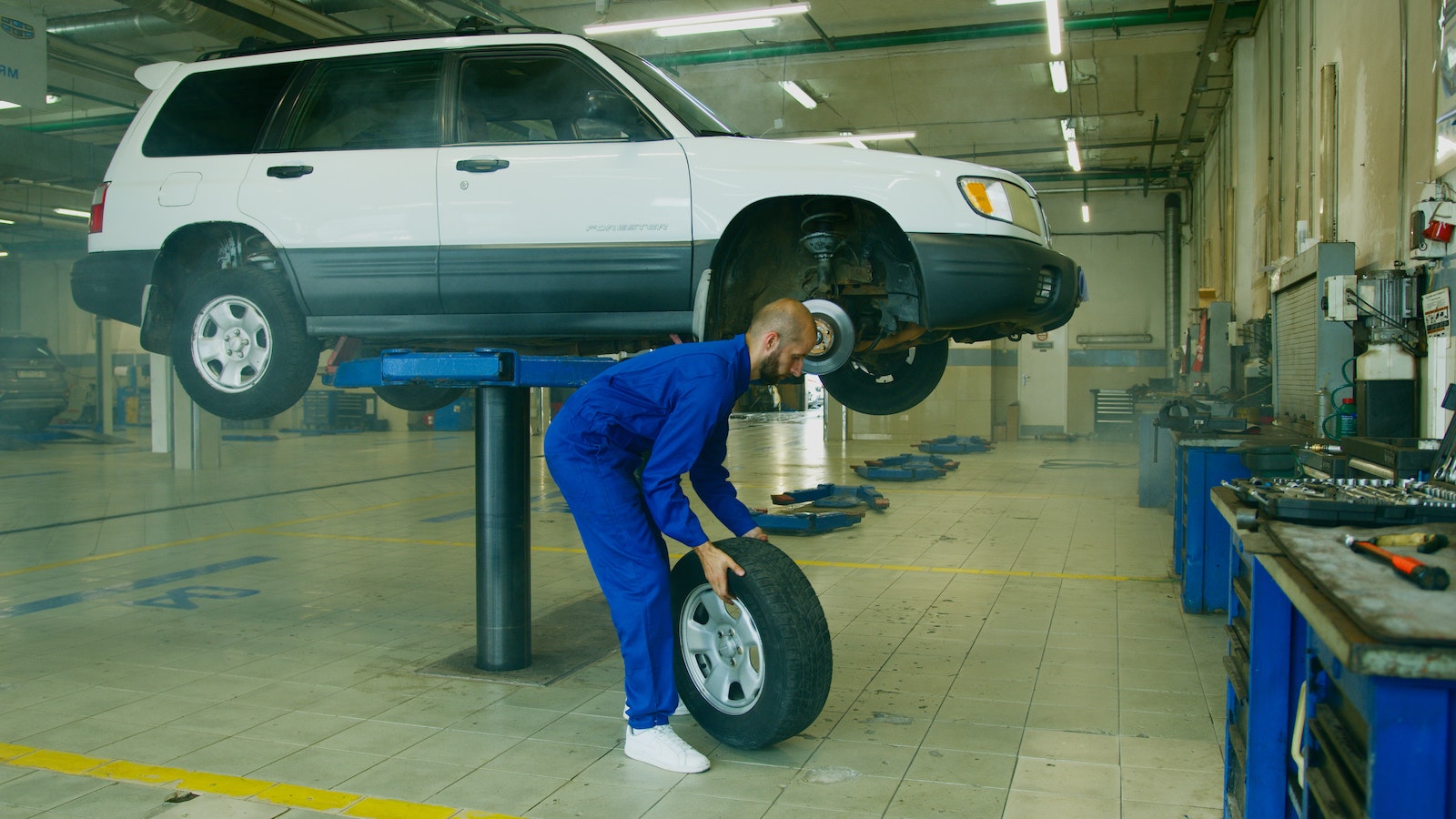
Welcome to our comprehensive guide on tire rotation and balance cost – two essential aspects of vehicle maintenance that are not just expenses but valuable investments in the longevity, safety, and performance of your vehicle. In this article, we will delve into the reasons why these services are worth every penny, exploring how they contribute to a smoother, safer, and more cost-effective driving experience.
In the realm of automotive care, “worth the investment” is more than a catchphrase – it’s a principle that underscores the value of proactive maintenance. When it comes to your tires, this principle is no different. Tires play a pivotal role in your vehicle’s overall performance, affecting everything from traction and handling to fuel efficiency and ride comfort. Neglecting their upkeep can lead to uneven wear, reduced lifespan, compromised safety, and even increased fuel consumption.

Through the following sections, we’ll journey through the intricacies of tire rotation and balancing, uncovering the benefits that come with these services. We’ll address common questions, debunk myths, and provide practical insights to empower you to make informed decisions about your tire maintenance.
So, if you’re wondering whether the cost of tire rotation and balancing is justified, buckle up as we navigate through the whys and hows, unraveling why these services are not only essential but indeed worth every dime you invest. Let’s embark on this journey to understand how a small investment now can yield significant returns down the road – in the form of enhanced safety, prolonged tire life, improved vehicle performance, and even potential savings on fuel and replacement tires.
Join us as we dive into the heart of tire maintenance and discover the compelling reasons why tire rotation and balance costs are investments that pay off – on the road and in your pocket.
The Importance of Tire Rotation and Balance Cost
When it comes to your vehicle’s well-being, a few aspects are as crucial as tire maintenance. Neglecting proper tire rotation and balance costs might seem like a minor oversight, but it can have significant consequences for your driving experience, safety, and even your wallet.
Ensuring Safety and Optimal Handling
Tires play an integral role in maintaining your vehicle’s stability and control on the road. As you drive, the weight distribution across the tires tends to change. Over time, this uneven distribution can lead to irregular tire wear. Unevenly worn tires can compromise your vehicle’s traction, especially during challenging road conditions like rain, snow, or sharp turns. By investing in regular tire rotation and balance cost, you ensure that each tire wears uniformly, maintaining consistent traction and enhancing your vehicle’s overall handling.
Prolonging Tire Longevity
Tires are a significant investment, and you naturally want to extract every mile possible from them. Here’s where tire rotation and balancing come into play. By distributing the wear evenly, these maintenance practices help extend the life of your tires. Think of it as a strategic investment that pays dividends over time. The cost you put into tire rotation and balancing now can lead to fewer tire replacements down the road, ultimately saving you money in the long run.
Unveiling the True Value of the Investment
Concerns about tire rotation and balance cost might arise, but they are best viewed as investments rather than expenses. The relatively small cost associated with these services pales in comparison to the potential expenses resulting from neglect. Uneven tire wear can lead to premature tire replacements, reduced fuel efficiency, and even compromised safety. By allocating a modest budget to regular tire rotation and balancing, you mitigate these risks and ensure that your vehicle operates optimally, saving you from potentially far greater costs in repairs and replacements.
In the following sections, we’ll delve deeper into the specifics of tire rotation and balancing, exploring the benefits, optimal frequency, and cost breakdown. Understanding these aspects will not only give you a clearer picture of why these practices are worth the investment but also empower you to make informed decisions about your vehicle’s maintenance routine.
What is Tire Rotation?

When delving into the realm of tire maintenance, understanding the significance of tire rotation becomes paramount. Tire rotation is a pivotal practice aimed at extending the life of your tires while promoting optimal performance. Tire rotation involves the strategic repositioning of your vehicle’s tires at specific intervals to ensure even tire wear.
The Essence of Tire Rotation
Picture your vehicle’s tires as the feet of a dancer; over time, each tire takes on a distinct role based on its position. The front tires, often shouldering the brunt of steering and braking forces, tend to wear differently from the rear tires. Uneven wear can lead to compromised handling, reduced traction, and even the need for premature replacements.
By engaging in regular tire rotation, you’re essentially orchestrating a harmonious tire symphony. This practice distributes the wear more evenly across all tires, mitigating the effects of constant friction with the road. This, in turn, elongates the lifespan of your tires, while concurrently enhancing your vehicle’s overall stability and ride quality.
Variations in Rotation Patterns
Various tire rotation patterns are employed, each catering to different vehicle types and drivetrain configurations. The most common rotation patterns include the forward cross, the X-pattern, and the rearward cross. The choice of pattern depends on factors such as tire size, tire wear characteristics, and the specific demands placed on each tire.
In essence, tire rotation is akin to a symphony conductor ensuring that each instrument plays its part harmoniously. Similarly, rotating your tires allows them to work in unison, maintaining a uniform tread depth that promotes safety, fuel efficiency, and prolonged tire life.
In the upcoming sections, we’ll delve deeper into the advantages of regular tire rotation and how this relatively modest investment can yield substantial returns in terms of both performance and cost savings.
The Cost of Tire Rotation and Balancing
When it comes to tire rotation and balance cost, it’s crucial to understand the investment you’re making in your vehicle’s performance and longevity. While some might perceive these services as additional expenses, they offer substantial benefits that far outweigh their initial cost of tire rotation and balancing.
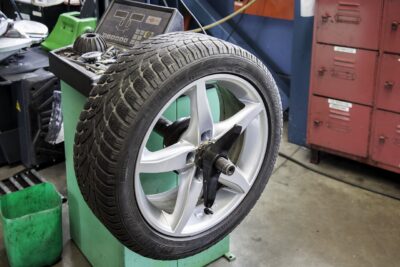
Understanding the Pricing Factors
The cost of tire rotation and balance can vary based on several factors. These include the type of vehicle you drive, the type of tires you have, and even the geographical location of the service. Additionally, the specific service provider you choose can influence the tire rotation and balance cost. Some service centers might offer package deals that include both services at a reduced rate, making it a cost-effective option.
Balancing the Scale: Costs vs. Benefits
Consider the cost of tire rotation and balance as a proactive investment. Uneven tire wear due to lack of rotation or imbalance can lead to more significant issues down the road, such as reduced fuel efficiency and even unsafe driving conditions. By regularly addressing the cost of tire rotation and balancing, you’re essentially preventing potential higher expenses in the future.
Value in Every Rotation and Balance
It’s essential to recognize the value you receive for the tire rotation and balance cost. Properly rotated and balanced tires not only enhance your vehicle’s handling and stability but also extend the overall lifespan of your tires. This means fewer replacements and, consequently, more savings over time – a testament to the long-term value of the initial cost of tire rotation and balancing.
A Balanced Approach to Savings
When analyzing the cost of tire rotation and balance, it’s important to adopt a holistic perspective. Factor in the improved fuel efficiency, better traction, and increased safety that come with balanced and evenly worn tires. These benefits can translate into savings at the pump and fewer maintenance expenses in the long run, ultimately offsetting the initial tire rotation and balance cost.
Making an Informed Decision
Before dismissing the cost of tire rotation and balancing as an unnecessary expense, consider the bigger picture. Regular maintenance through rotation and balance not only provides a smoother driving experience but also safeguards against avoidable costs in the future. By investing in the cost of tire rotation and balancing today, you’re actively contributing to the longevity and optimal performance of your vehicle.
In conclusion, don’t view the cost of tire rotation and balancing as a mere expenditure. Instead, see it as a strategic investment that not only keeps your vehicle running smoothly but also pays off in the form of extended tire life, improved safety, and enhanced efficiency. Balancing your tires and evenly distributing the wear might come with a price, but the returns in terms of driving comfort and long-term savings are well worth it.
Benefits of Regular Tire Rotation and Balance – Worth the Cost
Regular tire rotation and balancing might seem like an added expense, but the truth is that these services are a smart investment in the long run. The benefits they offer far outweigh the initial cost, making them essential for any conscientious vehicle owner. Let’s delve into the reasons why these services are truly worth every penny spent:
Improved Traction and Handling: A Balanced Ride
When your tires are properly balanced, your vehicle maintains better traction on the road. Unbalanced tires can lead to uneven weight distribution and result in a shaky or vibrating steering wheel. This can compromise your vehicle’s stability and handling, affecting your overall driving experience. With regular tire balancing, you ensure that your vehicle glides smoothly and safely, providing you with a balanced, comfortable ride.
Enhanced Fuel Efficiency: Saving While Driving
Tire rotation and balancing contribute to improved fuel efficiency. When your tires wear unevenly due to lack of rotation, it can lead to increased rolling resistance. This, in turn, forces your vehicle’s engine to work harder, consuming more fuel. By maintaining proper rotation and balance, you help your tires wear evenly, reducing rolling resistance and ultimately saving on fuel costs over time.
Even Tire Wear: Prolonging Tire Life
Uneven tire wear is a common issue that can significantly shorten the lifespan of your tires. Regular rotation ensures that each tire takes turns being exposed to different stress levels, promoting even tread wear. This means your tires will last longer, and you won’t have to replace them as frequently. The cost of new tires far exceeds the cost of rotation, making this service an economical choice for extending the life of your tires.
Extended Tire Lifespan: Long-Term Savings
Imagine the cost of prematurely replacing tires due to uneven wear. With consistent rotation and balancing, you’re not only maximizing the lifespan of your tires but also avoiding the need for frequent replacements. This translates to substantial savings in the long run, investing in these services a financially prudent decision.
Safety First: Reliable Performance
One of the most compelling reasons to invest in tire rotation and balancing is safety. Properly rotated and balanced tires ensure optimal traction and control, especially during adverse weather conditions. Whether you’re navigating wet roads or sharp turns, balanced tires offer a higher level of stability, helping you avoid accidents and keep yourself, your passengers, and others on the road safe.
In conclusion, the benefits of regular tire rotation and balancing extend beyond the immediate cost. Improved traction, enhanced fuel efficiency, even tire wear, extended tire lifespan, and heightened safety are all compelling reasons to consider these services as essential maintenance steps for your vehicle. By making this investment, you’re not just paying for a service; you’re securing a smoother, safer, and more cost-effective driving experience in the long run.
When and How Often Should You Rotate and Balance Your Tires?
Determining the Ideal Tire Rotation and Balance Schedule
Navigating the twists and turns of tire maintenance requires a clear roadmap to keep your vehicle on the path to peak performance. When it comes to the art of finding the perfect “tire rotation/balance cost” balance, a combination of manufacturer recommendations, driving habits, and road conditions can guide you.
Manufacturer Recommendations: The North Star of Tire Care
Manufacturers often illuminate the path forward by providing specific guidelines for the “tire rotation/balance cost” schedule tailored to your vehicle’s make and model. These guidelines are like constellations in the night sky, steering you in the right direction. They consider various factors such as tire wear patterns, front or rear-wheel drive, and overall tire health. Consulting your vehicle’s manual or reaching out to the manufacturer’s customer support can offer invaluable insights.
The Roadmap of Driving Habits
Each journey you embark on leaves its mark on your tires, and understanding your driving habits is key to mastering the “tire rotation/balance cost” equation. If your travels often take you down uneven or unpaved roads, your tires might face more wear and tear, warranting more frequent rotations and balances. Likewise, if your daily drive involves stop-and-go traffic, your tires may wear differently than those who glide along open highways.
Terrain and Road Conditions: Paving the Way
The type of terrain your vehicle conquers also plays a role in the “tire rotation/balance cost” decision-making process. If your expeditions lead you through rugged landscapes or harsh weather conditions, the stress on your tires can be considerable. Such journeys might necessitate more frequent rotations and balances to ensure even wear and maintain stability.
Striking the Right Balance: Frequency
Finding equilibrium in the “tire rotation/balance cost” seesaw involves striking the right frequency. A common recommendation is to rotate your tires every 6,000 to 8,000 miles, which keeps the wear pattern uniform and extends their lifespan. This sweet spot helps you dodge uneven tread wear, enhancing traction and performance while keeping your budget in check.
Personalizing the Equation
Remember, the “tire rotation/balance cost” equation isn’t one-size-fits-all; it’s a unique balance that you, as a driver, help define. Regular inspections of your tires’ tread depth and consulting your trusted mechanic can provide insights into when adjustments are needed. Stay vigilant for signs of uneven wear, such as vibrations or pulling to one side, which might necessitate an unscheduled rotation or balance.
In the intricate dance of tire care, the rhythm of “tire rotation/balance cost” echoes the harmony of longevity and performance. By heeding manufacturer recommendations, understanding your driving habits, and acknowledging the road’s challenges, you can choreograph a tire maintenance routine that keeps your vehicle confidently gliding down the road while keeping your wallet content.
Professional vs. DIY: Which is the Better Choice for Tire Rotation/Balance Cost?
When it comes to managing your vehicle’s tire rotation/balance cost-effectively, you’re presented with a choice between seeking professional services or embarking on a do-it-yourself (DIY) journey. Both options come with their own set of advantages and considerations, ultimately impacting the overall tire rotation and balance cost.
Professional Tire Rotation/Balance Cost: Pros and Cons
Opting for professional tire rotation and balance services might seem like a higher upfront tire rotation/balance cost. However, the benefits often outweigh the expense:
👍🏻 Pros:
- Expertise and Equipment: Professional mechanics possess the expertise and specialized equipment needed to accurately rotate and balance your tires. They’re well-versed in various tire rotation patterns and balancing techniques, ensuring optimal results.
- Time-Saving: Professional services offer quick turnaround times. Trained technicians can efficiently perform rotations and balancing, saving you valuable time and effort.
- Preventive Maintenance: Regular visits to professionals for tire rotation and balancing can help identify potential issues early, potentially preventing costly tire-related problems down the road.
👎🏻 Cons:
- Cost: As mentioned earlier, there’s a tire rotation/balance cost associated with professional services. However, consider this an investment in the longevity and performance of your tires.
- Appointment Dependence: Scheduling appointments can be necessary, which might not align with your immediate plans if a sudden tire issue arises.
DIY Tire Rotation/Balance Cost: Pros and Cons
Taking a DIY approach to tire rotation and balance can initially seem more cost-effective in terms of tire rotation/balance cost. However, it’s important to weigh these benefits against potential drawbacks:
👍🏻 Pros:
- Cost Savings: Performing tire rotation and balancing on your own can reduce the immediate financial outlay associated with professional services.
- Flexibility: DIY gives you the flexibility to rotate and balance your tires whenever you see fit, without having to adhere to shop hours.
- Learning Opportunity: Engaging in DIY tire maintenance can offer a valuable learning experience about your vehicle’s components and maintenance needs.
👎🏻 Cons:
- Skill and Knowledge: Properly rotating and balancing tires requires a certain level of skill and knowledge. Incorrect techniques can lead to uneven wear or even damage to the tires.
- Equipment Costs: While DIY avoids labor costs, you’ll need to invest in the necessary tools and equipment for proper rotation and balancing.
- Time and Effort: DIY tire rotation and balancing can be time-consuming, especially if you’re new to the process. Additionally, it may involve physical effort and some trial and error.
In the end, the choice between professional services and DIY depends on your comfort level, available time, and willingness to invest in equipment. While DIY might seem like a lower tire rotation/balance cost option, keep in mind that it comes with its own set of challenges. If you’re unsure about your abilities or lack the necessary tools, it’s often wiser to consider the long-term benefits of professional tire rotation and balancing services. Remember, the initial tire rotation/balance cost pales in comparison to the potential savings and safety benefits down the road.
FAQ about Tire Rotation and Balancing
1. How often should I schedule a tire rotation and balance?
Tire rotation and balance should ideally be performed every 6,000 to 8,000 miles or as recommended by your vehicle’s manufacturer. Regularity ensures optimal performance and safety on the road.
2. Can I skip tire rotation to save on costs?
While it might seem tempting to skip tire rotation to save on immediate costs, doing so can lead to uneven wear and reduced tire lifespan. In the long run, neglecting rotation can incur higher expenses due to premature tire replacement.
3. How is tire balancing different from tire alignment?
Tire balancing focuses on distributing weight evenly across the tire and wheel assembly. It prevents vibrations and uneven wear. Tire alignment, on the other hand, addresses the angles at which the tires make contact with the road, ensuring proper steering and vehicle stability.
4. How is tire balancing performed?
Tire balancing involves placing the tire and wheel assembly on a specialized machine. The machine detects imbalances and suggests the correct placement of counterweights to even out the weight distribution. This process results in a smoother ride and extended tire life.
5. What happens if I don’t balance my tires?
Skipping tire balancing can lead to uneven tire wear, causing vibrations that affect driving comfort. Additionally, unbalanced tires can strain suspension components and lead to potentially costly repairs down the line.
6. Can I balance my tires at home?
While professional tire balancing offers accurate results, you can attempt a basic DIY balance using a bubble balancer. However, keep in mind that achieving precise balance without the proper equipment might be challenging, potentially compromising your safety.
7. How do tire rotation and balance costs compare to their benefits?
The cost of tire rotation and balancing is a minor investment compared to the benefits they offer. Well-maintained tires last longer, improve fuel efficiency, and enhance overall driving safety, outweighing the initial expense.
8. What are the signs that my tires need balancing?
If you experience steering wheel vibrations, especially at higher speeds, it’s a sign that your tires might need balancing. Unusual tire wear patterns can also indicate the need for balancing.
9. Do all tires need to be rotated in the same pattern?
No, tire rotation patterns vary based on whether your vehicle is front-wheel drive, rear-wheel drive, or all-wheel drive. Following the manufacturer’s recommended rotation pattern ensures even tire wear and optimal performance.
10. Can tire rotation and balance fix alignment issues?
Tire rotation and balancing primarily address tire wear and weight distribution. For alignment issues that affect steering, handling, and tire wear, a separate wheel alignment service is recommended.
11: How much does a tire rotation and oil change cost?
The average cost for a tire rotation and oil change can range from $40 to $150, depending on various factors.
12: What’s the breakdown of the costs for an oil change and tire rotation?
A motor oil change typically costs around $20 to $100. Additionally, tire rotation is recommended for optimal performance and usually costs around $20 to $50. These amounts can vary based on your vehicle and the service provider you choose.
13: What are the estimated tire rotation costs from different service providers?
Here’s an estimate of tire rotation costs from popular service providers:
- Firestone: $20 (free for Firestone tires)
- Pep Boys: $14.99 (free for tires bought at Pep Boys)
- Discount Tire: $15 (free for tires bought at Discount Tire)
- Valvoline: $20 to $50
- Costco: $18 – $27
- Walmart: Basic – $5, Lifetime – $14
- Jiffy Lube: $10
14: Are there any special deals or promotions from these service providers?
Yes, many brands offer promotional deals that can significantly lower the cost of tire rotation. For example, Firestone occasionally issues coupons allowing the service for $9.99. Brands like Midas and Discount Tire also provide maintenance packages that offer reduced tire rotation rates.
15: Does the type of vehicle impact the tire rotation cost?
Yes, the type of vehicle you have can affect the cost. Luxury cars might spend more than $200 for tire rotation due to shorter service intervals for tires of the same size.
16: How does the drivetrain type affect tire rotation costs?
Different drivetrain types have varying pricing guides for tire rotation. Front-wheel drive (FWD) tires are usually the cheapest, costing $40 to $75 for standard models like Toyota Corolla or Honda Civic. Rear-wheel drive (RWD) vehicles have similar costs, while all-wheel drive (AWD) tires can cost around $80 due to added complexity.
17: Is there a difference between 4WD and AWD tire rotation costs?
Yes, there is a difference. Four-wheel drive (4WD) tire rotation generally costs under $100, whereas AWD tires can be around $80 due to the increased complexity and specific requirements for rotation.
18: Do electric vehicles have similar tire rotation costs?
Electric vehicle tires fall within the same price range as AWD tires, costing around $80. However, they require shorter rotation intervals compared to other types of vehicles.
19: How can I benefit from tire rotation promotions?
Keep an eye out for special deals and coupons from service providers. Brands like Firestone and Discount Tire often offer discounted rates through promotions.
Investing in regular tire rotation and balance is a smart move that pays off in terms of extended tire life, enhanced safety, and improved driving experience. Don’t overlook these crucial maintenance tasks—they’re integral to keeping your vehicle running smoothly and efficiently over the long haul.
Conclusion
In conclusion, the decision to invest in tire rotation and balance cost is a choice that resonates far beyond your vehicle’s tires. By prioritizing these essential maintenance practices, you are not just ensuring your safety on the road, but also making a smart financial move that can pay dividends in the long run.
When contemplating the tire rotation cost and the balance expense, remember that these are not merely expenditures; they are strategic investments in your vehicle’s performance, longevity, and overall driving experience. The small upfront cost of these services pales in comparison to the substantial benefits they provide.
From improved traction and handling to enhanced fuel efficiency and extended tire lifespan, the advantages of routine tire rotation and balancing effortlessly outweigh the associated costs. As your tires wear evenly and maintain optimal contact with the road, you’ll find yourself replacing them less frequently, saving you from the burden of prematurely purchasing new tires.
Let’s not forget the peace of mind that comes with knowing your vehicle is operating at its best. Unevenly worn tires can compromise safety and negatively impact your vehicle’s performance. By mitigating these concerns through regular maintenance, you’re taking proactive steps to ensure your safety and that of your passengers.
So, when deliberating the tire rotation and balance investment, consider it an integral part of responsible vehicle ownership. Factor in the long-term savings, the improved performance, and the heightened safety that come hand-in-hand with well-maintained tires. Don’t merely assess the cost; see it as a small price to pay for substantial gains.
In a world where every investment counts, embracing the tire rotation and balance cost isn’t just a choice – it’s a strategic move toward a smoother, safer, and more economical journey. Remember, the road ahead is best traveled on well-maintained tires, and the investment you make today will pay off in every mile you drive tomorrow.