

When it comes to vehicle maintenance and safety, understanding the ins and outs of donut tires is essential. In this comprehensive guide, we delve into the world of donut tires, answering two crucial questions that every driver should consider: How long does a donut tire last, and how far can you ride on a donut tire?
Donut tires, also known as spare tires, serve a specific purpose in the event of a flat tire or other tire-related issues. These compact, temporary solutions are designed to get you back on the road quickly and safely. However, their convenience comes with limitations that every driver should be aware of.
In the upcoming chapters, we’ll explore the characteristics of donut tires, discuss their expected lifespan compared to regular tires, and shed light on the factors that determine how far you can ride on a donut tire. We’ll also provide valuable tips for driving on these spare tires and offer guidance on when it’s time to replace them.
As you read on, you’ll gain insights into the practicality of using donut tires for short distances and learn about the considerations that come into play when using them on highways or in various driving conditions. By the end of this guide, you’ll have a clear understanding of how to make the most of your donut tire while ensuring your safety and the longevity of your vehicle.
Whether you’re a seasoned driver or a new one, having knowledge about donut tires can be the difference between a smooth journey back to safety and a potentially risky situation on the road. So, let’s begin this journey of exploration and understanding, uncovering the facts about donut tire lifespan and their driving limitations.
What is a Donut Tire?
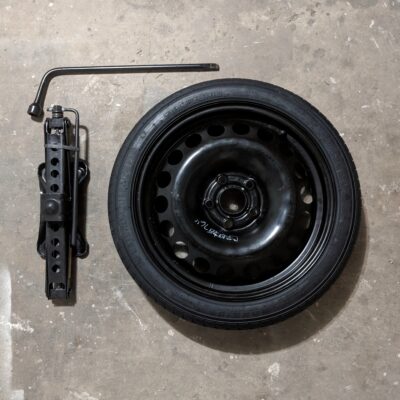
A donut tire, often referred to as a spare tire, is a specialized type of temporary tire designed to be used as a short-term replacement in case of a flat tire or tire damage. Unlike regular tires, donut tires are not intended for extended use and are primarily meant to provide enough mobility to reach a repair facility or a safe location. Here are the key features and characteristics of a donut tire:
1. Design and Size
Donut tires are noticeably smaller and narrower than regular tires. They are designed to take up less space in the vehicle’s trunk, making them convenient to carry as a spare. The smaller size also affects the vehicle’s handling and performance, and it’s important to be aware of these differences when driving on a donut tire.
2. Construction
These temporary tires have a compact design that allows for limited use. They typically feature a lightweight construction with thinner tread and sidewalls, which contributes to their reduced weight and size. The construction is aimed at providing enough stability to drive short distances safely.
3. Intended Use
Donut tires are not meant for regular driving or long distances. They are intended to serve as a temporary solution to get you to a repair shop or a safer location. Due to their limited capabilities, it’s crucial to replace a donut tire with a regular tire as soon as possible.
4. Speed Limitations
Donut tires come with speed limitations, usually indicated on the tire sidewall or in the vehicle’s manual. Driving at high speeds on a donut tire can be unsafe, as they are not designed to handle the same loads and stresses as regular tires.
5. Handling and Performance
It’s important to note that driving with a donut tire can affect your vehicle’s handling and performance. Steering and braking may feel different due to the tire’s smaller size and different characteristics compared to regular tires.
In summary, a donut tire is a specialized spare tire designed to provide limited mobility in case of tire emergencies. While they are convenient for short-term use, it’s essential to understand their limitations and the impact they can have on your vehicle’s performance and handling. Always aim to replace a donut tire with a regular tire as soon as possible to ensure your safety on the road.
The Lifespan of a Donut Tire
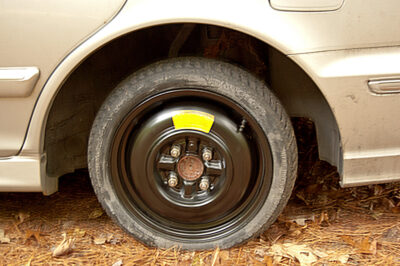
Donut tires, also known as spare tires, serve as temporary replacements in case of emergencies. However, it’s essential to understand that their lifespan is inherently limited compared to regular tires. The typical lifespan of a donut tire ranges from 50 to 70 miles (80 to 113 kilometers). This distance estimate is based on the assumption that the tire is used at a moderate speed and on relatively smooth roads.
Several factors can affect the lifespan of a donut tire:
1. Tire Age:
Even if a donut tire has never been used, it still ages over time due to exposure to the elements. Rubber can deteriorate, leading to reduced performance and safety.
2. Tire Maintenance:
Proper maintenance can extend the life of a donut tire. Regularly check the tire’s air pressure, as underinflation can decrease its lifespan. Also, ensure that the spare tire is stored in a cool, dry place away from direct sunlight.
3. Road Conditions:
Driving on rough or uneven roads can put additional strain on a donut tire, potentially reducing its lifespan. Avoid potholes and other road hazards to prevent premature wear.
4. Driving Habits:
Aggressive driving, sudden stops, and sharp turns can wear down a donut tire more quickly. It’s important to drive cautiously when using a spare tire to maximize its lifespan.
5. Speed:
Excessive speed can generate heat and stress, accelerating the wear of a donut tire. Stick to the recommended speed limit when driving on a spare tire.
Given these factors, it’s important to remember that donut tires are designed for short-term use only. They are intended to provide enough mobility to get you to a repair shop or a safer location where the original tire can be repaired or replaced. As soon as possible, it’s recommended to replace the donut tire with a regular tire to ensure the optimal safety and performance of your vehicle.
In summary, the lifespan of a donut tire is relatively short, typically ranging from 50 to 70 miles. Factors such as tire age, maintenance, road conditions, driving habits, and speed can influence how long the donut tire remains safe and functional. Always prioritize your safety by driving cautiously and replacing the donut tire promptly.
Can You Use a Donut Tire Long-Term?
Is it Safe and Recommended?
When faced with a flat tire, the donut tire, also known as a spare tire, is a handy solution for getting back on the road quickly. However, it’s important to recognize that the donut tire is not designed for long-term use. While it serves as a temporary fix, using a donut tire as a permanent replacement for a regular tire is not recommended.
Drawbacks of Extended Use:
- Limited Performance: Donut tires are significantly smaller and narrower than standard tires, which means they offer reduced grip and handling capabilities. Extended use of a donut tire can affect your vehicle’s stability, especially during turns and braking.
- Reduced Speed and Distance: Donut tires have speed and distance limitations. Generally, they are rated for speeds around 50-55 mph (80-88 km/h) and distances ranging from 50 to 70 miles (80 to 113 km). Pushing the tire beyond these limits can lead to safety risks and further damage.
- Suspension and Alignment: Prolonged use of a donut tire can impact your vehicle’s suspension and alignment due to the uneven weight distribution. This could lead to additional wear and tear on other parts of your vehicle.
- Impacts on Traction Control and ABS: Many modern vehicles are equipped with advanced traction control and anti-lock braking systems (ABS) that rely on consistent tire sizes for optimal functioning. Replacing a standard tire with a donut tire could affect the performance of these systems.
When to Use and When to Replace:
A donut tire is intended for short-term use to get you to a repair shop or a safe location where you can address the issue with your regular tire. Once you’ve replaced the flat tire or repaired it, it’s crucial to swap out the donut tire as soon as possible. Using a regular tire ensures proper vehicle performance, safety, and fuel efficiency.
In conclusion, while a donut tire can be a lifesaver in emergencies, it’s not a suitable replacement for a standard tire over the long term. Understanding the limitations and drawbacks of donut tires will help you make informed decisions regarding their usage and ensure the safety and performance of your vehicle.
How Far Can You Ride on a Donut Tire?
Donut tires, while convenient for temporary use, have limitations when it comes to how far you can safely drive on them. These limitations are primarily due to the design and construction of donut tires, which are intended to be temporary replacements rather than long-term solutions. Here’s what you need to know about the distance you can ride on a donut tire:
1. Distance Limitations:
Donut tires are typically designed to cover short distances, usually around 50 to 70 miles (80 to 113 kilometers). This range provides enough leeway to reach a nearby repair shop or service station for a proper tire replacement. The limited distance is a result of the tire’s narrower width and shallower tread depth, which affects its overall traction and stability.
2. Driving Speed:
When using a donut tire, it’s recommended to drive at reduced speeds. Most manufacturers advise not exceeding 50 mph (80 km/h) while on a donut tire. The reduced speed helps minimize the strain on the tire and ensures better control of the vehicle. Driving at high speeds for prolonged periods can lead to increased heat buildup and potential tire failure.
3. Road Conditions:
The condition of the road can influence how far you can safely travel on a donut tire. Smooth and well-maintained roads are more forgiving on these tires compared to rough or uneven surfaces. Avoid driving on potholed or gravel roads, as these conditions can put additional stress on the tire and increase the risk of damage.
4. Passenger and Cargo Considerations:
The weight carried by the vehicle also plays a role in determining the safe distance to travel on a donut tire. Heavier loads exert more stress on the tire, potentially decreasing its effective lifespan. If you’re carrying passengers or a significant amount of cargo, it’s advisable to reduce your driving distance on the donut tire.
5. Timely Replacement:
While donut tires provide a temporary solution, they should not be used as a long-term replacement for regular tires. As soon as you’ve used the donut tire to reach a safe location, prioritize replacing it with a proper, full-size tire. Extended use of a donut tire beyond its intended purpose can result in diminished performance, compromised safety, and increased wear on other vehicle components.
In summary, a donut tire’s distance limitations are designed to ensure your safety and the longevity of your vehicle. When using a donut tire, prioritize reaching a tire service center promptly to replace it with a regular tire. Remember that driving at reduced speeds, avoiding challenging road conditions, and minimizing passenger and cargo loads will help you make the most of your temporary spare tire.
Factors Affecting Donut Tire Distance
Driving on a donut tire comes with its limitations, especially when it comes to distance. Several factors influence how far you can safely ride on a donut tire before replacing it with a standard tire. Understanding these factors can help you make informed decisions while using a donut tire:
1. Road Conditions:
- The type of road you’re driving on significantly affects the stress placed on your donut tire.
- Smooth, well-paved roads put less strain on the tire compared to rough or uneven surfaces.
- Driving on gravel or pothole-ridden roads can accelerate wear and decrease the safe driving distance.
2. Tire Pressure:
- Donut tires require a specific tire pressure to function optimally and safely.
- Inadequate tire pressure can lead to increased rolling resistance and reduced mileage.
- Regularly check the tire pressure and maintain it within the recommended range for better performance.
3. Driving Speed:
- Driving at high speeds for extended periods on a donut tire can generate excess heat and wear.
- Maintaining a moderate and safe speed helps minimize stress on the tire and extends its potential distance.
4. Vehicle Weight:
- Heavier vehicles place more load on the donut tire, affecting its lifespan and safe driving distance.
- If your vehicle is carrying a heavy load, consider reducing your driving distance to prevent excessive strain.
5. Weather Conditions:
- Extreme weather conditions can impact the durability of a donut tire.
- Hot weather can cause the tire to deteriorate more quickly, while cold weather might affect tire flexibility and grip.
6. Alignment and Suspension:
- Proper wheel alignment and suspension contribute to even tire wear and better handling.
- Misaligned wheels or a compromised suspension system can lead to uneven tire wear and reduce the tire’s lifespan.
7. Driving Habits:
- Aggressive driving, abrupt stops, and sharp turns increase the wear on the tire.
- Gentle driving practices can help extend the distance you can safely drive on a donut tire.
8. Time Duration:
- Even if you haven’t reached the mileage limit, donut tires are usually recommended for temporary use.
- Prolonged use can cause the tire to degrade due to factors like exposure to the elements and natural aging.
Remember that while donut tires are designed as temporary solutions, understanding these factors can help you make the most of their limited capabilities. Always prioritize safety and follow the manufacturer’s recommendations for replacing the donut tire with a standard tire as soon as possible.
Tips for Driving on a Donut Tire
Driving on a donut tire requires caution and adjustments to your driving habits. While these tires are designed as temporary solutions, following these tips can help ensure your safety and the longevity of the donut tire:
1. Reduce Your Speed:
Donut tires are not designed for high speeds. Reduce your driving speed to avoid putting excessive stress on the tire. Most manufacturers recommend staying below 50 mph (80 km/h) when using a donut tire.
2. Avoid Long Distances:
Donut tires are intended for short distances to get you to a repair shop. Avoid driving long distances on a donut tire, as it may not provide the same level of stability and performance as a regular tire.
3. Maintain a Safe Following Distance:
Increase your following distance from the vehicle in front of you. Donut tires have different handling characteristics and might not grip the road as well as regular tires, particularly in wet or slippery conditions.
4. Drive Smoothly and Avoid Sudden Maneuvers:
Make gradual turns and avoid sudden movements. Donut tires have a narrower profile and reduced traction, so abrupt maneuvers can lead to loss of control.
5. Limit Passengers and Cargo:
Reduce the weight in your vehicle when driving on a donut tire. Excess weight can put more stress on the tire and affect its performance.
6. Avoid Harsh Braking:
Brake gently and give yourself more time to slow down. Sudden braking can lead to skidding and reduced control due to the limitations of the donut tire.
7. Check Tire Pressure Regularly:
Monitor the air pressure in the donut tire. Improper inflation can lead to reduced stability and affect your driving experience.
8. Follow Manufacturer’s Recommendations:
Read the owner’s manual or manufacturer’s guidelines for specific recommendations about using the donut tire. Different vehicles may have varying instructions.
9. Seek Professional Help ASAP:
As soon as possible, visit a repair shop to address the issue with your original tire. Donut tires are not meant for long-term use and should be replaced promptly.
10. Replace Regular Tires in Pairs:
If you replace one regular tire, it’s often recommended to replace its pair on the same axle. This helps maintain consistent handling and performance.
By adhering to these tips, you can drive safely on a donut tire until you reach a suitable location for a repair or replacement. Remember that donut tires are temporary solutions, and your priority should be to get your regular tires back on your vehicle as soon as possible.
Replacing a Donut Tire
Donut tires, while helpful in emergencies, are not designed for extended use. As soon as you’ve mounted a donut tire as a temporary replacement, it’s important to plan for the swift restoration of your vehicle’s regular tire. Here’s what you need to know about replacing a donut tire:
1. Timely Replacement
Driving on a donut tire for an extended period can have adverse effects on your vehicle’s performance, handling, and safety. These tires are not engineered to withstand the same conditions as standard tires, and using them for too long can lead to uneven wear, decreased fuel efficiency, and compromised traction.
2. Match the Original Tire
When replacing a donut tire, aim to replace it with a tire that matches the specifications of your vehicle’s original tire. Consult your vehicle’s manual or contact a professional tire retailer to ensure you select the appropriate replacement.
3. Full Set Restoration
It’s recommended to replace all four tires at once, or at least ensure that the same type of tires are installed on both the front and rear axles. Mismatched tires can affect your vehicle’s stability and handling, potentially compromising safety.
4. Check Tire Pressure
After replacing the donut tire, make sure to check and adjust the tire pressure according to the manufacturer’s recommendations. Proper tire pressure is crucial for optimal performance, fuel efficiency, and safety.
5. Store the Donut Tire
After removing the donut tire, store it properly in your vehicle. Many vehicles have designated storage areas for spare tires, and it’s essential to secure the tire to prevent it from moving around while driving.
6. Inspect Regular Tires
Before reinstalling your regular tires, take a moment to inspect them for any visible damage or signs of wear. If you notice any issues, such as punctures or uneven wear, consider getting them repaired or replaced.
7. Professional Assistance
If you’re unsure about the replacement process, or if you lack the necessary tools and equipment, it’s best to seek help from a professional mechanic or tire service. They can ensure that the replacement is done correctly and safely.
In conclusion, donut tires should only be used as temporary solutions to get you to a repair shop or a safer location. As soon as you’ve used a donut tire, prioritize the replacement of your regular tire to maintain optimal vehicle performance, handling, and safety. Remember that proper maintenance and timely replacement contribute to the longevity and reliability of your vehicle’s tires.
FAQ about Donut Tires
1. How many times can you use a donut tire?
Donut tires are designed for single-use emergency situations. After using a donut tire, it’s recommended to replace it with a regular tire as soon as possible. Using a donut tire multiple times can compromise its structural integrity and performance.
2. How long can I drive on a spare tire?
The recommended distance you can drive on a donut tire varies, but it’s generally advised not to exceed 50-70 miles. Donut tires are meant for short-term use to get you to a repair shop or a safer location.
3. What is the furthest you can drive on a donut?
The maximum distance you should drive on a donut tire is around 50-70 miles. Beyond this range, the tire’s performance and safety can be significantly compromised.
4. Can I go 200 miles on a donut?
Driving 200 miles on a donut tire is not advisable. Donut tires are not built for extended travel, and driving such distances can lead to reduced handling, stability, and potential tire damage.
5. What happens if you go over 45 on a donut?
Exceeding the recommended speed limit of around 45 mph while driving on a donut tire can increase the risk of accidents and tire failure. The tire’s construction is not designed to handle high speeds, which can result in reduced control and potential blowouts.
6. Can I use a spare tire for 2 days?
Using a spare tire, including a donut, for a short duration of 2 days is generally safe. However, it’s essential to replace the spare with a regular tire as soon as possible. Prolonged use can lead to tire degradation and compromised safety.
7. Can I drive on a spare for a week?
While it’s technically possible to drive on a spare, including a donut, for a week, it’s not recommended. Spare tires are intended for temporary use only, and using them for an extended period can impact your vehicle’s handling and safety.
8. Can I drive 250 miles on a spare tire?
Driving 250 miles on a spare tire, especially a donut, is not advisable. The recommended driving distance for a donut tire is significantly shorter, around 50-70 miles. Extended use can lead to tire failure and safety risks.
9. Can I reuse a donut tire?
Donut tires are designed for single-use emergencies and are not meant to be reused. After using a donut tire, it’s important to replace it with a regular tire and avoid reusing the donut in the future.
10. Is a donut a permanent flat tire?
No, a donut tire is not a permanent flat tire solution. It’s a temporary spare tire designed to get you to a repair facility. Donut tires have limitations in terms of distance, speed, and performance.
11. What happens if you go too fast on a donut tire?
Driving too fast on a donut tire can result in reduced stability, decreased handling, and increased risk of tire failure. Donut tires are not built to withstand high speeds, so it’s crucial to adhere to the recommended speed limits.
12. Can I drive long distances on a donut tire?
Donut tires are intended for temporary use only and have limitations in terms of both distance and speed. While they can be driven on for short distances, typically up to 50-70 miles, it’s advisable to replace them with a regular tire as soon as possible. Prolonged use can lead to decreased handling, reduced stability, and potential damage to the donut tire itself.
13. How long can I use a donut tire before replacing it?
The lifespan of a donut tire is significantly shorter than that of a regular tire. It’s designed as a temporary solution to get you to a repair shop or a safer location. Generally, you should aim to replace a donut tire with a proper tire within a range of 50-70 miles of driving.
14. Are donut tires safe for all vehicles?
Donut tires are designed to fit a wide range of vehicles, but they might not be suitable for all types. It’s essential to check your vehicle’s manual to determine if a donut tire is safe to use. Additionally, keep in mind that donut tires might affect your vehicle’s handling and performance, so it’s recommended to drive cautiously and avoid aggressive maneuvers.
15. Can I drive on highways with a donut tire?
While you can drive on highways with a donut tire, it’s important to exercise caution. Donut tires have limitations in terms of speed and performance, so it’s advisable to keep your speed moderate and avoid sudden lane changes or sharp turns. It’s best to exit the highway as soon as it’s safe to do so and replace the donut tire with a regular one.
16. Do I need to replace the original tire after using a donut?
Yes, it’s crucial to replace the original tire as soon as possible after using a donut tire. Donut tires are not meant for extended use, and driving on them for too long can lead to further damage. As soon as you’re able, visit a tire professional to repair or replace the original tire to ensure the safety and performance of your vehicle.
17. What should I do if my car comes with a non-standard spare tire?
Some vehicles come with spare tires that are not traditional donut tires. These spare tires might have different specifications or limitations. It’s recommended to consult your vehicle’s manual for guidance on how to use and replace such spare tires. If you’re unsure, reach out to a professional mechanic for advice.
By understanding the limitations and guidelines for using donut tires, you can make informed decisions about when and how to use them effectively and safely. Always prioritize your safety and the proper maintenance of your vehicle’s tires.
Summary and Key Takeaways
In this article, we delved into the world of donut tires, exploring their purpose, limitations, and practical considerations. Here are the key takeaways:
- Donut Tire Lifespan: Donut tires are designed as temporary solutions, not for prolonged use. Their lifespan is significantly shorter compared to regular tires due to their compact design and limited tread depth.
- Distance and Speed Limits: While the exact distance you can ride on a donut tire depends on various factors, it’s generally recommended to cover no more than 50 to 70 miles at speeds under 50 mph. Exceeding these limits can compromise safety and vehicle performance.
- Driving Safely: When using a donut tire, adhere to lower speeds and avoid sudden maneuvers. Be cautious on wet or uneven roads, and remember that donut tires are not suitable for highway driving over extended distances.
- Factors Affecting Performance: Factors like tire pressure, road conditions, vehicle weight, and proper maintenance influence how far and how safely you can drive on a donut tire.
- Temporary Solution: Donut tires are meant as a temporary fix to get you to the nearest repair shop. Replace the original tire as soon as possible to maintain optimal vehicle performance and safety.
- Replacement and Repair: If you’re uncertain about how to replace or repair a donut tire, consult your vehicle’s manual or seek professional assistance. Using a non-standard spare tire might require additional considerations.
Understanding the limitations of donut tires and their intended use will help you make informed decisions when faced with tire-related issues. Prioritize safety and proper maintenance to ensure a smooth driving experience on the road.