

Ensuring the safety and reliability of your vehicle is a responsibility that every driver should take seriously. One crucial aspect of vehicle maintenance is proper tire care, as tires are the literal foundation that connects your vehicle to the road. While routine maintenance, such as checking tire pressure and tread depth, goes a long way in prolonging their lifespan, there are times when unexpected damage can occur.
Imagine you’re cruising down the road, and suddenly you hear a disheartening hiss followed by the rhythmic thumping of a flat tire. It’s a situation every driver dreads, but it’s not uncommon. Punctures from nails, screws, and other road debris are frequent. In such cases, a quick and effective solution is to patch the tire, saving time and money.
However, not all tire damage is patchable. Understanding the circumstances in which a tire can or cannot be patched is vital. Attempting to patch a tire that shouldn’t be can compromise your safety on the road and even lead to more extensive damage to the tire itself. This is especially relevant for beginners who might not be familiar with the intricacies of tire repair.
In this beginner’s guide, we’ll explore when a tire cannot be patched. We’ll explore different types of tire damage, discuss what makes a tire patchable or non-patchable, and provide insights into seeking professional advice. By the end of this guide, you’ll have a clearer understanding of how to approach tire damage and make informed decisions that prioritize both your safety and the longevity of your tires. So, let’s roll into the world of tire repair and uncover the crucial knowledge every driver should possess.
Understanding Tire Damage
Tire damage can occur due to a variety of reasons, from road hazards to wear and tear. Before determining whether a tire can be patched, it’s crucial to understand the different types of tire damage that can occur. Being able to identify the extent and nature of the damage accurately will help you make informed decisions about repair options.
Types of Tire Damage:
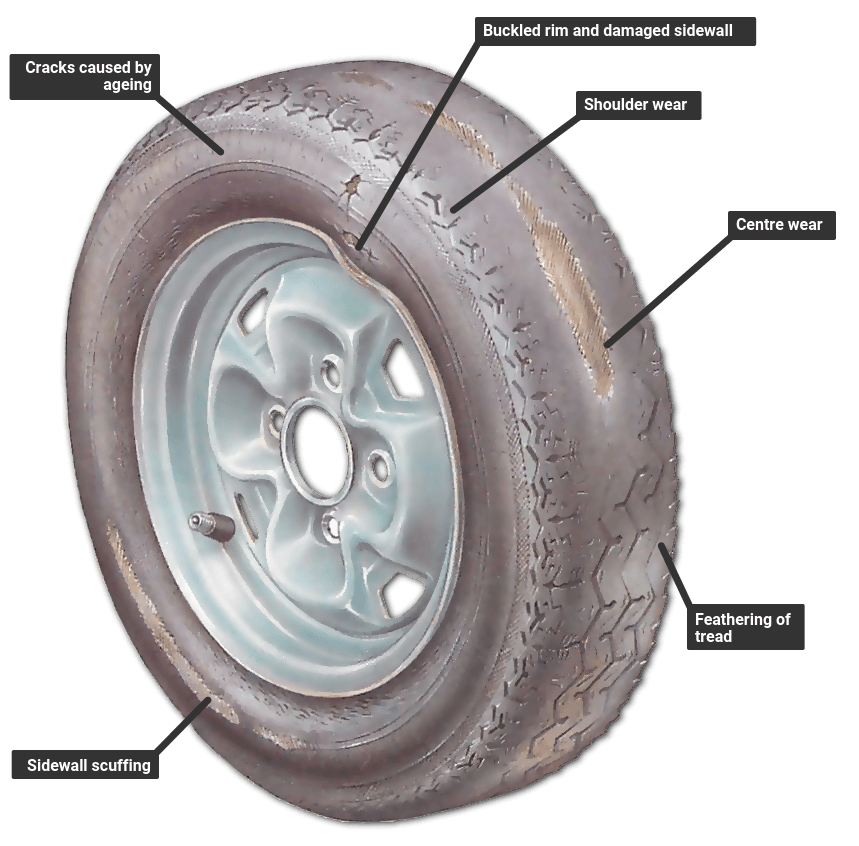
- Punctures: Small nails, screws, or sharp objects can penetrate the tread area of a tire, causing slow leaks or flat tires. Punctures are among the most common types of damage and are often patchable if they meet certain criteria.
- Sidewall Damage: The sidewalls of a tire are crucial for maintaining the tire’s structural integrity. Damage to the sidewall, such as cuts, bulges, or cracks, can weaken the tire and make it unsafe for repair.
- Tread Separation: Tread separation occurs when the tire’s tread becomes detached from the underlying layers. This can lead to a dangerous loss of control while driving and typically requires tire replacement rather than patching.
- Cuts and Gashes: Large cuts or gashes, especially those that expose the internal layers of the tire, can compromise its strength and stability. These types of damage are generally not suitable for patching.
- Impact Damage: Hitting a pothole, curb, or other road obstacles at high speed can cause internal damage to the tire, affecting its structural integrity and safety.
Assessing the Damage: To determine whether a tire is patchable, you need to consider several factors:
- Size of the Damage: Generally, punctures smaller than 1/4 inch in diameter located within the tread area can be safely patched. Larger punctures or cuts are less likely to be repairable.
- Location: Punctures or damage within the tread area can usually be patched. However, damage in the sidewall or shoulder of the tire often requires tire replacement due to safety concerns.
- Tread Depth: Tires with sufficient tread depth are more likely to be candidates for patching. Tires with low tread depth might not be suitable for repairs.
It’s important to note that tire damage isn’t always visible on the surface. Sometimes, internal damage might not be apparent but can still compromise the tire’s structural integrity. Consulting a professional tire technician is essential for a thorough assessment of the damage and proper repair recommendations.
Remember, accurate identification of the type and extent of damage is the first step in determining whether a tire can be patched. In the following sections, we’ll delve deeper into the scenarios where patching is and isn’t recommended, as well as the factors that influence repairability.
Patchable vs. Non-Patchable Damage
Tire damage comes in various forms, and not all of them can be repaired with a simple patch. It’s crucial to understand the distinction between patchable and non-patchable damage to ensure your safety on the road.
Patchable Damage: Certain types of tire damage are eligible for patching, provided they meet specific criteria. Typically, small punctures that occur within the tread area can often be repaired effectively. These punctures are usually the result of nails, screws, or other sharp objects penetrating the tire’s surface.
Patchable damage characteristics:
- Size: The puncture should be relatively small, usually less than a quarter-inch in diameter. Larger holes may compromise the tire’s structure and stability.
- Location: The puncture should be within the tread area, away from the sidewalls or tire shoulders. Tread area patches have a higher chance of holding up well during normal driving conditions.
- Tread Depth: The tire’s remaining tread depth should be sufficient to ensure safe operation after the patch is applied.
Non-Patchable Damage: Certain types of tire damage are considered non-patchable due to the potential safety risks they pose. It’s important to recognize these scenarios and understand that attempting to patch these types of damage could result in tire failure and even accidents.
Non-patchable damage scenarios:
- Sidewall Damage: Any damage occurring on the sidewall of the tire is generally non-patchable. Sidewalls play a critical role in maintaining tire shape and stability; patching them could compromise these factors.
- Cuts or Gashes: Large cuts or gashes, especially those that extend across the tread or sidewall, are often beyond repair. These cuts weaken the tire’s structure and can lead to blowouts if not replaced.
- Shoulder Damage: Damage near the tire’s shoulder is challenging to repair effectively, as this area experiences significant stress during turns and maneuvers.
- Previous Repairs: Tires that have undergone multiple repairs may become weakened over time. If you notice a patched area on your tire, consult a professional for assessment before attempting another repair.
Understanding the distinction between patchable and non-patchable damage is essential in making informed decisions about your tires. When in doubt, it’s always best to consult a qualified tire technician who can accurately assess the damage and recommend the appropriate course of action. Remember, your safety on the road depends on the condition of your tires, so prioritizing expert advice is paramount.
When Patching Is Possible
When faced with a punctured or damaged tire, the question of whether it can be patched arises. Patching a tire is a cost-effective and environmentally friendly option, but it’s essential to understand when it’s a viable solution. Here, we’ll delve into the criteria that determine whether a tire can be patched:
Tread Depth: The tread of a tire provides essential traction and grip on the road. For a patch to hold securely, the damage should be within the tread area. Generally, if the puncture is no larger than 1/4 inch in diameter and located within the tread grooves, it’s likely patchable. However, if the damage extends to the sidewall or shoulder of the tire, patching is not recommended due to the compromised structural integrity.
Location of Damage: The location of the damage within the tread is crucial. Punctures closer to the center of the tread are more likely to be patchable as they experience less stress during driving. Damage closer to the shoulder or sidewall is subjected to greater strain, making it riskier to patch.
Size of Puncture: The size of the puncture plays a significant role in determining patchability. Smaller punctures, such as those caused by nails or screws, can often be successfully patched. However, larger cuts or gashes might not be suitable for patching, as they can weaken the tire’s structure and compromise safety.
Multiple Punctures: If a tire has sustained multiple punctures in the tread area, the chances of successful patching diminish. Multiple patches can weaken the tire and increase the risk of air leakage or failure.
Tire Age and Wear: The age of the tire and its overall condition are also factors. If the tire is old and has significant wear, the rubber might have degraded, making it less suitable for patching. Tires with substantial wear might not provide the necessary durability for a patch to hold reliably over time.
Previous Repairs: If a tire has been patched before, it might affect the integrity of the tire’s structure. Repairing a previously patched tire might compromise safety, so professionals often recommend against it.
Professional Assessment: To make an informed decision about patching, it’s crucial to consult a professional tire technician. They have the expertise to evaluate the damage accurately and determine whether a patch is a safe and effective solution. Sometimes, what appears to be a minor puncture might reveal underlying internal damage upon closer inspection.
In conclusion, patching a tire can be a suitable option for minor punctures within the tread area, provided that the damage meets specific criteria. Tread depth, location of damage, size of puncture, tire age, and the expert opinion of a technician all contribute to the decision-making process. Remember, safety should always be the top priority, and seeking professional guidance is essential to ensure that a patched tire remains reliable on the road.
Situations When Patching Isn’t Recommended
When it comes to tire damage, not all issues can be resolved with a simple patch. While patches can effectively seal small punctures and maintain the structural integrity of the tire, there are situations where patching is not recommended due to safety concerns. Identifying these scenarios is crucial to ensure your safety on the road and prevent potential accidents.
1. Sidewall Damage: The sidewall of a tire is a critical component that provides structural support. If the sidewall is damaged, either by a curb impact or a sharp object, patching is generally not recommended. The sidewall is subjected to a lot of stress, and any compromise in its integrity could lead to a blowout while driving.
2. Cuts or Gashes: Large cuts or gashes, especially those that extend across the tread and sidewall, can significantly weaken the tire’s structure. Attempting to patch such extensive damage might not hold up against the pressure and stresses that a tire faces while in motion.
3. Shoulder Damage: The shoulder of the tire, where the tread meets the sidewall, is another area where damage can be problematic. Any damage near this region can disrupt the tire’s stability and lead to handling issues, making patching an unreliable solution.
4. Punctures Too Close Together: If your tire has multiple punctures that are too close together, patching might not be effective. Patching overlapping punctures can weaken the tire’s integrity, increasing the risk of failure.
5. Previous Improper Repairs: If a tire has already undergone a patch or repair that wasn’t performed correctly, attempting another patch could further compromise its safety. It’s essential to be cautious if you’re uncertain about the quality of a previous repair.
6. Age and Wear: Even if the damage seems repairable, the age and overall wear of the tire should be considered. Tires that are close to their lifespan or are exhibiting signs of significant wear might not hold up well with a patch and could be better candidates for replacement.
Remember, the safety of you and your passengers is paramount. If you encounter any of these situations, it’s recommended to consult a professional tire technician. They can provide expert advice on whether your tire should be repaired, replaced, or if there are any temporary solutions that can be applied to get you safely to a repair shop. Ignoring these guidelines could lead to hazardous situations on the road.
Factors Affecting Repairability
Repairing a damaged tire involves more than just the visible extent of the damage. Several factors come into play when determining whether a tire can be safely patched:
1. Age of the Tire: Tire rubber deteriorates over time due to exposure to the elements, even if the tire hasn’t been used extensively. As tires age, they become more susceptible to cracking and structural damage. If the damaged tire is older, the chances of a successful and secure patch diminish.
2. Previous Repairs: Tires that have undergone previous repairs might have weakened spots, reducing the chances of another successful patch. Each repair can potentially compromise the tire’s integrity, making it riskier to attempt another patch.
3. Internal Damage: Damage isn’t always limited to the visible outer layer of the tire. Impact or puncture could result in hidden internal damage that might not be immediately apparent. Such internal damage weakens the tire’s structure and could make patching ineffective or dangerous.
4. Tread Depth: Tread depth plays a crucial role in maintaining traction and tire stability. In patchable scenarios, the damage should not compromise the tread depth significantly. If the damage is too deep or extends into the sidewall, the tire’s ability to maintain traction and handle various road conditions could be compromised.
5. Location of Damage: The specific location of the damage on the tire matters. Punctures or cuts in the tread area are often more patchable than those near the sidewall, shoulder, or bead of the tire. Damage in these critical areas can weaken the tire’s structure and compromise its ability to hold air safely.
6. Size of the Puncture: The size of the puncture also determines repairability. Smaller punctures, such as those caused by nails or screws, are generally more patchable, especially if they’re within a certain diameter. Larger punctures might require more extensive repairs, which could impact the tire’s overall integrity.
7. Type of Tire: Different types of tires, such as passenger tires, performance tires, and off-road tires, have varying construction and purposes. This can affect the repairability of the tire, as some tires are designed to handle more stress and damage than others.
8. Manufacturer’s Guidelines: Always consult the manufacturer’s guidelines for your specific tire model. Some manufacturers have specific recommendations regarding repairs, and not following these guidelines could void any warranty or compromise your safety.
In conclusion, while a patch might seem like a simple solution, these factors collectively determine whether a tire can be safely patched or if it’s time to consider replacement. Consulting a professional tire technician is crucial to accurately assess the damage and make an informed decision about the best course of action for your damaged tire.
Seeking Professional Advice
When faced with tire damage, it’s crucial to remember that your safety on the road depends on the integrity of your tires. While some minor damages might seem patchable, it’s always a wise decision to seek professional advice before making any repair choices. Here’s why consulting a tire technician is essential:
1. Accurate Assessment: Tire technicians have the expertise to accurately assess the extent of damage. They can determine whether the damage is patchable or if it poses a risk that requires tire replacement.
2. Specialized Equipment: Tire repair shops are equipped with specialized tools and equipment that enable them to inspect tires thoroughly. They can identify internal damage that might not be visible to the naked eye.
3. Safety Considerations: Professionals consider safety as their top priority. They know the standards and guidelines for tire repair, ensuring that the repaired tire maintains its structural integrity, and minimizing the risk of accidents due to tire failure.
4. Proper Repair Techniques: If a tire can be patched, professionals have the skills to perform the repair using appropriate techniques. This ensures that the patch is securely applied and will hold up under various driving conditions.
5. Tire Compatibility: Tire technicians can recommend suitable repair methods based on the type of tire, its age, and previous repair history. They understand which types of damage can compromise a tire’s safety in the long run.
6. Preventing Further Damage: Professionals not only assess the immediate damage but also identify any underlying issues that could lead to future problems. This preventive approach can save you from costly repairs down the line.
7. Confidence in Your Decision: Getting advice from an expert gives you the confidence that you’re making an informed decision. If they recommend replacing the tire, you’ll know it’s the right choice for your safety and the longevity of your vehicle.
When selecting a tire repair shop or technician, look for those with a reputable track record and positive customer reviews. Don’t hesitate to ask questions about their experience, certification, and repair processes. Remember, your tires play a vital role in your overall driving experience, so it’s worth investing time and effort into ensuring their proper maintenance and repair.
Alternatives to Patching
When faced with a damaged tire, patching isn’t always the only solution. Depending on the severity of the damage and the circumstances, there are alternative options to consider:
1. Tire Replacement: In cases where the damage is extensive, severe, or irreparable, replacing the tire might be the safest choice. Tires that have sidewall damage, tread separation, or significant cuts might fall into this category. While replacing a tire may have a higher upfront cost, it ensures your vehicle’s safety and performance on the road.
2. Spare Tires: Most vehicles come equipped with a spare tire, which can serve as a temporary solution in case of tire damage. However, spare tires are usually designed for short-term use and at reduced speeds. They are not meant for prolonged driving or high speeds. It’s important to consult your vehicle’s manual for guidelines on using the spare tire and to replace it with a proper tire as soon as possible.
3. Sealants and Inflators: In certain situations, where you’re dealing with a minor puncture, tire sealants or inflators can offer a quick fix. These products are designed to seal small punctures and allow you to drive for a limited distance to reach a repair shop. While they can be handy in emergencies, they are not a permanent solution and may not work for larger or more severe damage.
4. Professional Assistance: Seeking the advice of a professional tire technician is crucial when determining the best course of action. They can assess the extent of the damage, evaluate the tire’s repairability, and recommend the most suitable solution. Trusting their expertise can save you from making a decision that compromises your safety on the road.
Remember that while these alternatives can be helpful in various situations, the ultimate goal is to prioritize safety. Avoid driving on damaged tires whenever possible, and always follow the recommendations of experts to ensure your well-being and the longevity of your vehicle.
Conclusion
In conclusion, understanding when a tire can and cannot be patched is a crucial aspect of responsible vehicle ownership. We’ve explored the nuances of tire damage, from patchable punctures to non-patchable structural issues. By grasping the factors that affect repairability, you’re better equipped to make informed decisions about the safety and longevity of your tires.
It’s essential to remember that while small punctures within the tread area can often be successfully patched, certain situations demand our attention and caution. Sidewall damage, large cuts, and damage near the tire’s shoulder are among the red flags that call for replacement rather than repair.
When in doubt, always seek the expertise of a professional tire technician. Their assessment can provide peace of mind and ensure that your choice aligns with the highest safety standards. Tire health directly affects your vehicle’s performance, handling, and, most importantly, your safety on the road.
So, whether you’re a seasoned driver or just starting out, remember to prioritize safety above all else. This knowledge not only saves you money but also safeguards you and your passengers. Keep your tires in top condition, and they’ll keep you rolling towards safer journeys ahead.